There’s a special kind of magic in a cup of Turkish coffee. It’s more than just a beverage; it’s a centuries-old ritual, a cultural cornerstone, and a sensory experience unlike any other. But to truly unlock its rich, full-bodied flavor and iconic frothy crown, you need the right tool for the job: a dedicated Turkish coffee grinder. This isn’t just any grinder; it’s a precision instrument designed to achieve the uniquely fine grind that defines this beloved brew. Without it, you’re simply chasing a ghost of the real thing.
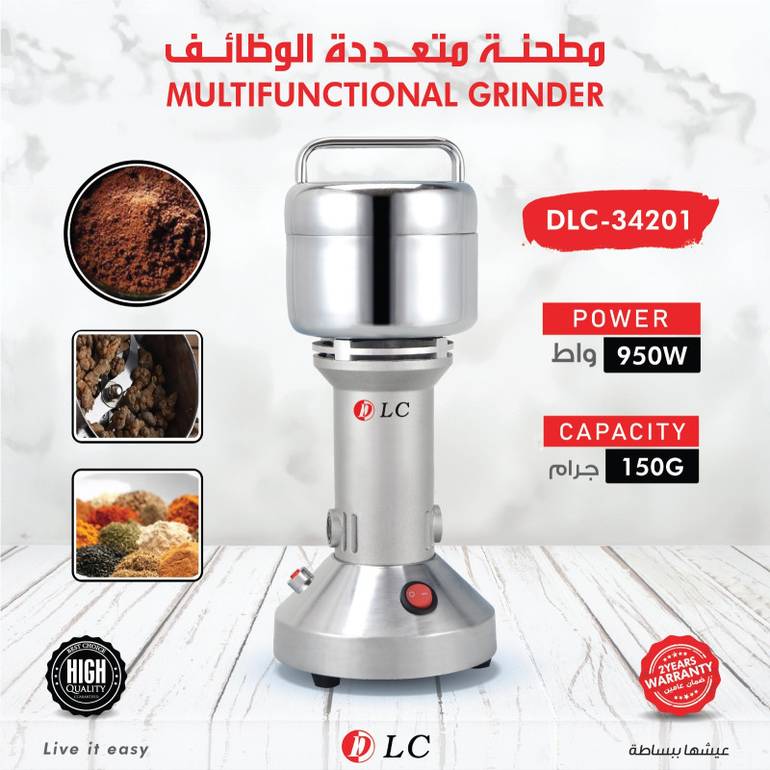
The Essence of Turkish Coffee: Why Grind Matters So Much
What sets Turkish coffee apart from other brewing methods is its unfiltered nature. The coffee grounds remain in the cup, settling at the bottom, contributing significantly to the drink’s thick body and rich flavor. This unique characteristic demands an exceptionally fine grind – far finer than what’s needed for espresso, drip coffee, or French press. Think of it as powdered sugar or flour, not grainy sand. We’re talking particles between 40-220 microns, a texture that feels soft and silky between your fingers.
Why such an exacting standard? This ultra-fine consistency is crucial for several reasons. Firstly, it allows for maximum flavor extraction during the brief simmering process in a cezve (or ibrik), ensuring a robust and intense cup. Secondly, it contributes to the distinctive thick crema, or foam, that’s a hallmark of authentic Turkish coffee. Finally, a consistent, powder-like grind allows the coffee to settle quickly and cleanly at the bottom of the cup, providing that smooth, unfiltered experience without a mouthful of grit. A coarser or inconsistent grind, on the other hand, will result in thin, underdeveloped coffee with poor foam and an unpleasant texture.
Manual Turkish Coffee Grinders: The Traditional Path to Perfection
For many connoisseurs, the manual Turkish coffee grinder isn’t just a tool; it’s an integral part of the ritual itself. These grinders often boast a rich history and beautiful craftsmanship, frequently made from brass or copper, adorned with intricate designs. Their operation is wonderfully straightforward: whole coffee beans are added to the top, and a hand-crank turns internal burrs to produce the desired grind.
The beauty of manual grinders lies in the control they offer. You dictate the grinding speed, which can help minimize heat generation and preserve the delicate aromas and oils of the coffee beans. They are typically compact, portable, and remarkably quiet compared to their electric counterparts, making them ideal for travel or early morning brews without waking the household. Moreover, their robust construction with fewer moving parts often translates to exceptional durability and a longer lifespan. Traditional brands like Zassenhaus and Sozen are renowned for producing the incredibly fine, consistent grind essential for Turkish coffee, as are modern high-quality manual burr grinders such as the 1ZPresso X-Ultra and Hario Skerton Pro. While they require a bit of elbow grease and can be time-consuming for larger quantities, the meditative process and superior grind quality often make the effort worthwhile for dedicated enthusiasts.
Electric Turkish Coffee Grinders: Convenience Meets Precision
In today’s fast-paced world, convenience is a major selling point, and electric Turkish coffee grinders offer a modern solution for achieving that ultra-fine grind. These machines streamline the process, transforming whole beans into powder with the push of a button, making them a fantastic choice for those who brew Turkish coffee frequently or for more than one person at a time.
However, not all electric grinders are created equal when it comes to Turkish coffee. Many standard electric burr grinders, while excellent for other brew methods like espresso or drip, simply cannot achieve the necessary powder-fine consistency. It’s crucial to seek out models specifically designed with a “Turkish” setting or those known for their exceptional ability to grind to an extremely fine level. High-quality electric burr grinders like the Breville Smart Grinder Pro, Baratza Encore, Capresso Infinity, Baratza Sette 270, and Lagom Mini 2 are often cited as capable options. These grinders utilize precise burr mechanisms (conical is generally preferred) to consistently crush beans to the required fineness, avoiding the uneven chop and heat buildup associated with blade grinders. While they might be louder and often come with a higher price tag than their manual counterparts, the speed and ease of use can be a game-changer for many coffee lovers.
Choosing Your Ideal Turkish Coffee Grinder: A Buyer’s Guide
Selecting the perfect Turkish coffee grinder boils down to understanding your priorities and what truly makes a difference for this unique brewing style.
- Grind Consistency is King: This cannot be stressed enough. The number one factor is the grinder’s ability to produce an utterly uniform, powder-like grind. Inconsistency means some particles will be too coarse, leading to under-extraction and a gritty mouthfeel, while others might be too fine and over-extract. Look for grinders explicitly stating their suitability for Turkish coffee.
- Burr Type: Always opt for a burr grinder, never a blade grinder. Burr grinders crush coffee evenly between two abrasive surfaces, whereas blade grinders chop erratically, creating an inconsistent mix of dust and chunks. Conical burrs are generally favored for their ability to produce a very fine grind with less heat generation.
- Adjustability: While many grinders offer various settings, ensure the one you choose has a genuinely ultra-fine setting suitable for Turkish coffee. Some models might have “fine” settings that are still too coarse for this specific brew.
- Material and Build Quality: Traditional manual grinders often feature durable brass or copper, which not only look beautiful but are built to last. Modern electric and manual options often utilize stainless steel or ceramic burrs, valued for their precision and longevity. Investing in quality materials usually means better performance and a longer lifespan for your grinder.
- Capacity: Consider how much coffee you typically brew. Manual grinders are excellent for single servings, preserving freshness. Electric grinders usually have larger hoppers, making them more convenient if you’re grinding for multiple cups or batch grinding (though fresh grinding is always best).
- Budget: Quality burr grinders capable of Turkish fineness can range in price. Often, a high-quality manual burr grinder offers exceptional value and performance for Turkish coffee at a more accessible price point than an equivalent electric model.
Tips for Using and Maintaining Your Turkish Coffee Grinder
To get the most out of your Turkish coffee grinder and ensure a consistently delicious brew, here are a few expert tips:
- Grind Fresh, Every Time: This is the golden rule for any coffee. Grinding your beans just before brewing preserves their volatile aromatic compounds, leading to a significantly more flavorful and vibrant cup of Turkish coffee.
- Load Beans Properly: Whether manual or electric, ensure you don’t overfill the hopper. For manual grinders, this can make cranking difficult; for electric, it can strain the motor.
- Grind Slowly (Especially for Manual): If using a manual grinder, a slower, steady pace helps maintain consistency and reduces heat buildup, which can degrade coffee flavor. Electric grinders typically handle speed automatically, but avoid running them excessively.
- Test the Grind: Before brewing, pinch a small amount of the ground coffee between your fingers. It should feel like soft flour or talcum powder, with no discernible gritty bits. If you feel any coarse particles, your grinder isn’t fine enough or needs adjustment.
- Clean Regularly: Coffee beans release oils that can accumulate on the burrs and internal components of your grinder. Over time, these stale oils can impart a bitter, rancid taste to your fresh coffee. Follow the manufacturer’s cleaning instructions, typically involving disassembling and brushing the burrs. Some grinding-specific cleaning tablets can also be used for convenience.
- Store Whole Beans Correctly: Always store your whole coffee beans in an airtight container, away from light, heat, and moisture. This ensures they remain fresh until you’re ready to grind.
“A truly exceptional cup of Turkish coffee is a testament to precision, and that starts with the grind,” shares Eleanor Vance, Master Roaster at The Daily Grind. “Many people underestimate just how fine ‘powder-like’ truly is, but once you experience the difference a proper Turkish coffee grinder makes, there’s no going back. It transforms the entire ritual.”
Frequently Asked Questions (FAQ)
Q: Can I use a regular coffee grinder for Turkish coffee?
A: Most regular coffee grinders, especially blade grinders, cannot achieve the ultra-fine, powder-like consistency required for authentic Turkish coffee. Their “fine” settings are typically not fine enough, leading to a thin brew with poor foam.
Q: How fine is “Turkish grind”?
A: Turkish grind is exceptionally fine, comparable to powdered sugar, flour, or talcum powder. Particle sizes typically range from 40 to 220 microns, significantly finer than espresso grind.
Q: Are manual grinders better than electric for Turkish coffee?
A: High-quality manual burr grinders are often favored for Turkish coffee due to their precise control, minimal heat generation, and ability to consistently achieve an ultra-fine grind. However, certain high-end electric burr grinders with dedicated Turkish settings can also perform exceptionally well, offering greater speed and convenience.
Q: How often should I clean my Turkish coffee grinder?
A: For optimal flavor and performance, it’s recommended to clean your Turkish coffee grinder regularly, ideally after every few uses or weekly if used daily. This prevents the buildup of stale coffee oils which can negatively impact the taste of your fresh coffee.
Q: What kind of beans are best for Turkish coffee?
A: Medium to dark roast coffee beans are generally preferred for Turkish coffee. Lighter roasts can sometimes yield an acidic or sharp taste, while the richer notes of medium to dark roasts provide the full-bodied depth and traditional flavor profile associated with this brew. Always use fresh, high-quality whole beans.
In the world of coffee, every detail matters, and for Turkish coffee, the grinder is arguably the most critical component. Investing in a quality Turkish coffee grinder isn’t just about buying a tool; it’s about investing in an experience, a ritual, and a journey into one of the oldest and most revered coffee traditions. Whether you choose the quiet ceremony of a manual mill or the swift efficiency of a specialized electric model, the right grinder will unlock unparalleled flavors and textures. So, take the plunge, experiment with your grind, and prepare to be enchanted by the truly perfect cup of Turkish coffee.
|
Our Picks for the Best Coffee Grinder in 2026
As an Amazon Associate I earn from qualifying purchases.
|
||
| Num | Product | Action |
|---|---|---|
| 1 | Touch&Match On-Demand Coffee Grinder, Professional Burr Grinder Made in Italy with Touch Screen, Precise Settings for Espresso, Moka, Filter & Americano, Fresh Grinding |

|
| 2 | Hamilton Beach Fresh Grind Electric Coffee Grinder for Beans, Spices and More, Stainless Steel Blades, Removable Chamber, Makes up to 12 Cups, Black |
|
| 3 | Cuisinart Coffee Grinder, Electric One-Touch Automatic Burr Coffee Grinder with 18-Position Grind Selector, Cup Size Selector for 4 – 18 Cups, DBM-8P1, Black Stainless |
|
| 4 | OXO Brew Conical Burr Coffee Grinder - Silver, Stainless Steel Burrs, One-Touch Automatic Smart Grind |
|
| 5 | Fellow Gen 2 Ode Brew Grinder - Burr, Electric Coffee Bean Grinder with 31 Settings for Drip, French Press & Cold Brew - Small Footprint - Matte Black |
|
| 6 | Electric Coffee Grinder, Conical Burr Grinder with 17 Precise Settings, 10oz Capacity, Quiet Operation, Automatic Shut-Off for Espresso, French Press, Cold Brew & Drip Coffee |
|
| 7 | BLACK+DECKER One Touch Coffee Grinder, 2/3 Cup Coffee Bean Capacity, Spice Grinder, One Touch Push-Button Control -150 Watts -Stainless Steel Blades |
|
| 8 | Amazon Basics Electric Coffee Grinder, Coffee Bean and Spice Grinder, With Heavy-Duty Stainless Steel Grind Blades |
|
| 9 | Amazon Basics Electric Coffee Grinder, Coffee Bean and Spice Grinder, With Heavy-Duty Stainless Steel Grind Blades |
|
| 10 | BLACK+DECKER One Touch Coffee Grinder, 2/3 Cup Coffee Bean Capacity, Spice Grinder, One Touch Push-Button Control -150 Watts -Stainless Steel Blades |
|