There’s a certain magic to that first sip of coffee in the morning, isn’t there? But imagine if that magic could follow you, whether you’re hiking a mountain trail, clocking in at a bustling co-working space, or simply enjoying a quiet moment on your patio. That’s the dream a Portable Coffee Grinder turns into reality. For true coffee lovers, the secret to an exceptional cup lies not just in the beans or the brewing method, but in the freshness of the grind itself. Pre-ground coffee, no matter how high-quality, starts losing its vibrant aromas and complex flavors almost immediately. That’s where a compact, travel-friendly grinder steps in, revolutionizing your coffee experience wherever you roam.
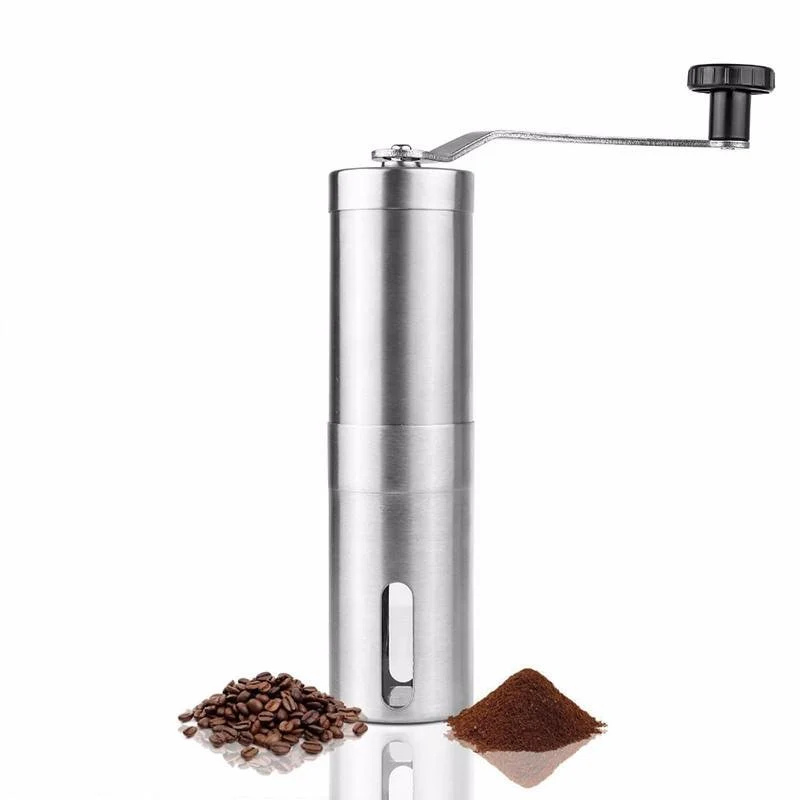
Why a Portable Coffee Grinder is Your Best Travel Companion
Thinking about taking your coffee game on the road? A portable coffee grinder isn’t just a gadget; it’s an essential tool that unlocks unparalleled freshness and flavor for your brew, no matter your location. Here’s why it deserves a spot in your pack:
- Unrivaled Freshness, Anytime, Anywhere: This is the big one. As Alex Kaplan, Head of Coffee at Cometeer and a Certified Q Grader, explains, “The thing we love most about coffee—its rich, alluring, chocolatey, and nutty aroma—is made up of volatile aromatic compounds that degrade and off-gas quickly.” Grinding your beans right before brewing means you capture all those precious volatile compounds, transforming your cup from good to glorious.
- Consistent Grind, Superior Taste: Forget inconsistent supermarket grinds. A quality portable coffee grinder ensures uniform particle size, which is critical for even extraction. This consistency prevents the dreaded sourness of under-extracted coffee or the bitterness of over-extracted grounds, delivering a balanced, delicious cup every single time.
- Convenience on Your Terms: Whether it’s a manual hand-crank model that requires no electricity or a USB-rechargeable electric option, these grinders are designed for life on the go. They fit snugly into your bag, ready to deliver fresh grounds in a hotel room, at a campsite, or even during a long-haul flight.
- Versatility for Every Brewing Style: Love a fine grind for espresso? Prefer a coarse texture for your French press? A good portable coffee grinder offers adjustable settings, allowing you to tailor the grind to your specific brewing method, from pour-over to AeroPress, ensuring optimal flavor extraction.
Manual vs. Electric Portable Grinders: Which One is Right for You?
When it comes to portable coffee grinders, you generally have two main choices: manual or electric. Each has its own charm and benefits, catering to different lifestyles and preferences.
Manual Portable Coffee Grinders
Manual grinders are the classic choice for many coffee purists and adventurers. They embody simplicity and offer a hands-on connection to your coffee ritual.
Pros:
- Ultimate Portability: Manual portable coffee grinders are often more compact and lighter than their electric counterparts, making them incredibly easy to slip into any bag. They also require no power source, perfect for off-grid adventures.
- Cost-Effective: Generally, high-quality manual burr grinders can be more affordable than electric models offering similar grind consistency.
- Quiet Operation: Without a motor, manual grinders are significantly quieter, allowing you to grind your beans without disturbing others, especially in shared spaces or early mornings.
- Durability: With fewer mechanical parts, manual grinders tend to be highly durable and have a longer lifespan, often lasting 5-10 years with proper care.
- Tactile Control: Many enthusiasts appreciate the meditative process and the direct control over grind speed and texture that a manual grinder provides.
Cons:
- Effort and Time-Consuming: Grinding manually requires physical effort and can take a few minutes, especially for larger quantities or very fine grinds.
- Limited Capacity: Most manual portable coffee grinders have smaller hoppers, meaning you might need to refill for multiple servings.
Electric Portable Coffee Grinders
Electric portable grinders prioritize convenience and speed, offering a quick path to fresh grounds with minimal effort.
Pros:
- Speed and Convenience: With the push of a button, an electric grinder handles the work for you, making it ideal for busy mornings or when you need coffee quickly.
- Often Higher Capacity: Some electric models can hold and grind more beans at once compared to many manual options.
- Easy Adjustments: Many electric grinders feature intuitive, easily adjustable settings, allowing for precise control over grind size without much fuss.
Cons:
- Reliance on Power: While many are USB-rechargeable, they still depend on a battery or power source, which needs to be managed, especially on longer trips.
- Noise Level: Electric grinders, even portable ones, are generally louder than manual grinders, which might be a consideration in quiet environments.
- Generally Pricier: High-quality electric portable coffee grinders with consistent burrs often come with a higher price tag than their manual counterparts.
- Bulkier: Due to motors and batteries, they can sometimes be slightly larger and heavier, impacting ultimate portability for minimalist travelers.
What to Look For: Key Features of a Great Portable Coffee Grinder
Choosing the right portable coffee grinder can feel a bit overwhelming with so many options. Focusing on these key features will help you find your perfect match:
Burr Type Matters: Conical vs. Flat, Ceramic vs. Stainless Steel
The heart of any good grinder is its burrs. “It is a time-tested adage that you should overpay for the grinder and underpay for the machine,” advises Alex Kaplan, emphasizing the importance of grinder quality. Avoid blade grinders entirely, as they chop beans inconsistently, leading to uneven extraction and a subpar cup. Instead, look for burr grinders.
- Conical Burrs: Most portable coffee grinders feature conical burrs, which consist of two cone-shaped abrasive surfaces. They are excellent at producing consistent grinds, generate less heat, and are generally quieter than flat burrs.
- Flat Burrs: While less common in truly portable, compact designs due to their size, flat burrs use two flat, parallel plates. They are known for exceptional consistency, especially for espresso, but can generate more heat and noise.
- Ceramic Burrs: These are rust-free, have a long lifespan, stay sharp, and are very stable, making them a durable choice for travel. They can, however, be slightly slower at grinding.
- Stainless Steel Burrs: These grind faster and are very sharp. While they can dull over time, modern stainless steel burrs in quality grinders offer excellent consistency and durability.
Grind Consistency and Adjustment Precision
This is non-negotiable for a delicious cup. A high-quality portable coffee grinder should produce uniform particles, minimizing “fines” (tiny particles that over-extract) and “boulders” (large chunks that under-extract). Look for grinders with a wide range of clearly marked grind settings, often with distinct “clicks,” allowing you to easily switch between coarse for French press, medium for pour-over, and fine for espresso.
Size, Weight, and Durability
Your portable coffee grinder needs to be genuinely portable.
- Compactness and Weight: Aim for a grinder that is small enough to fit into your backpack or suitcase without adding significant bulk. Lightweight materials like hard plastic, aluminum, or stainless steel are ideal.
- Robust Build: Travel can be tough on gear. Prioritize grinders made from durable materials that can withstand bumps and jostles. Some even come with protective travel cases.
Capacity and Battery Life (for Electric Models)
- Capacity: Consider how much coffee you typically brew. Most personal portable coffee grinders hold enough for 1-2 servings (around 20-35 grams), which is perfect for solo travelers or small groups.
- Battery Life and Charging: For electric models, look for a decent battery life (e.g., 15-20 grinds per charge) and convenient charging options like USB-C, allowing you to power up from a laptop, power bank, or car.
Mastering Your Portable Grinder: Tips for Usage and Maintenance
Getting the most out of your portable coffee grinder involves more than just picking a good one. A few simple tips will ensure consistent performance and longevity.
Usage Best Practices
- Dialing in Your Grind: Start with the manufacturer’s recommended setting for your brewing method. Then, don’t be afraid to experiment! Adjust one click at a time (finer if your coffee tastes sour, coarser if it tastes bitter) until you hit that sweet spot.
- Proper Bean Loading: Only add the amount of beans you intend to grind immediately. Overfilling can strain the motor (for electric) or make manual grinding more difficult.
- Steady Grinding: For manual grinders, maintain a consistent, steady crank. This helps the burrs work efficiently and contributes to a more uniform grind.
Essential Maintenance
- Regular Cleaning: After each use, tap out any loose grounds. Weekly, disassemble the grinder (most are designed for easy breakdown) and use a dry brush (often included) to remove any clinging particles from the burrs and chamber.
- Deep Cleaning: Every month or so, a deeper clean is beneficial. Some parts can be washed with mild soap and water, but avoid getting water directly on the burrs, especially if they are stainless steel, to prevent corrosion. Grinder cleaning tablets can also help remove built-up coffee oils.
- Avoid Oily Beans and Spices: Stick to coffee beans only. Grinding oily, dark roasted beans or spices can leave sticky residues that are difficult to remove and can impact flavor and burr lifespan.
- Safe Storage: Always store your portable coffee grinder in a cool, dry place, ideally in a protective travel case or pouch, to prevent damage during transit.
- Burr Replacement: While durable, burrs do wear down. Ceramic and stainless steel burrs typically last 5-10 years, but if you notice a significant drop in grind quality or consistency, it might be time for a replacement.
Popular Portable Coffee Grinder Models for Every Budget
The market is rich with excellent portable coffee grinder options. For those seeking electric convenience, models like the Timemore Go or Wacaco Exagrind Electric offer sleek design, consistent burr systems, and USB-C charging, perfect for diverse travel styles from business to casual road trips. The VSSL Java Electric appeals to the more rugged adventurer with its durable, aircraft-grade aluminum build and carabiner handle.
On the manual side, the 1Zpresso JX stands out for its speed, ergonomic design, and precise numerical grind settings. For a premium experience, the Comandante Nitro Blade Grinder delivers exceptional build quality and consistency. And for those on a tighter budget, the Timemore C2 Max offers remarkable performance and ease of cleaning, proving that quality portable grinding doesn’t have to break the bank.
Your Journey to Better Coffee Starts Now
A portable coffee grinder is more than just a tool; it’s an invitation to elevate your daily ritual and savor exceptional coffee wherever life takes you. By understanding the nuances between manual and electric models, recognizing the importance of burr quality, and mastering simple usage and maintenance, you’re well on your way to becoming your own favorite barista. So, pack your bags, grab your beans, and let your portable grinder unlock a world of fresh, flavorful coffee adventures. Your next perfect cup awaits!