Hey there, coffee lovers! Ever wonder why some pour-overs taste absolutely heavenly, while others fall a bit flat? The secret isn’t just in your beans or your brewing technique; it often boils down to one crucial piece of equipment: your coffee grinder. Finding the Best Coffee Grinder For Pour Over is a game-changer, transforming your daily ritual into an art form. With the rising popularity of pour-over brewing, understanding what makes a grinder truly shine for this method is more important than ever.
Why Your Pour Over Demands a Great Grinder
If you’re serious about your morning cup, you’ve probably heard the buzz about grind consistency. For pour-over, this isn’t just a fancy term; it’s the bedrock of a delicious brew.
The Crucial Role of Grind Consistency
Imagine trying to bake a cake with flour that has lumps and fine powder all mixed together – you’d end up with an unevenly baked mess, right? It’s the same with coffee. When your coffee grounds are inconsistent, with some particles as fine as dust (“fines”) and others as large as pebbles (“boulders”), you get what we call uneven extraction. The fines over-extract, leading to bitter, harsh notes, while the boulders under-extract, leaving you with sour, weak flavors. A high-quality burr grinder ensures uniform particle size, allowing water to flow evenly and extract all those wonderful, balanced flavors from your coffee beans. This consistency means every cup tastes just as good as the last, giving you a repeatable, pristine pour-over experience.
The Power of Precision: Adjustable Settings
Beyond consistency, control is king. Different coffees, roast levels, and even specific pour-over devices (like a Hario V60 versus a Chemex) require slightly different grind sizes. A dark roast might perform best with a slightly coarser grind, while a delicate light roast could benefit from something a tad finer to really bring out its nuanced notes. A great grinder offers a wide range of adjustable settings, empowering you to “dial in” your grind to perfection. This precision allows you to experiment, learn, and ultimately unlock the full potential of your favorite beans.
Burr Grinders vs. Blade Grinders: No Contest
Let’s cut to the chase: if you’re using a blade grinder for your pour-over, it’s time for an upgrade. Blade grinders don’t actually grind coffee; they smash and chop the beans randomly, like tiny blenders. This barbaric method creates a chaotic mix of fines and boulders, guaranteeing uneven extraction and a less-than-stellar cup. Plus, the friction from the blades generates heat, which can prematurely degrade the delicate aromas of your coffee.
Burr grinders, on the other hand, are designed to crush coffee beans uniformly between two abrasive surfaces (burrs). This methodical process produces a consistent grind size, which is absolutely vital for achieving that clean, sweet, and perfectly extracted pour-over you’re chasing. Yes, burr grinders are an investment, but it’s one that pays dividends in every single sip.
Decoding Grinder Types: Manual vs. Electric
The world of burr grinders offers two main paths: manual or electric. Both have their charms and their quirks, and the “best” choice often comes down to your lifestyle and brewing habits.
Manual Grinders
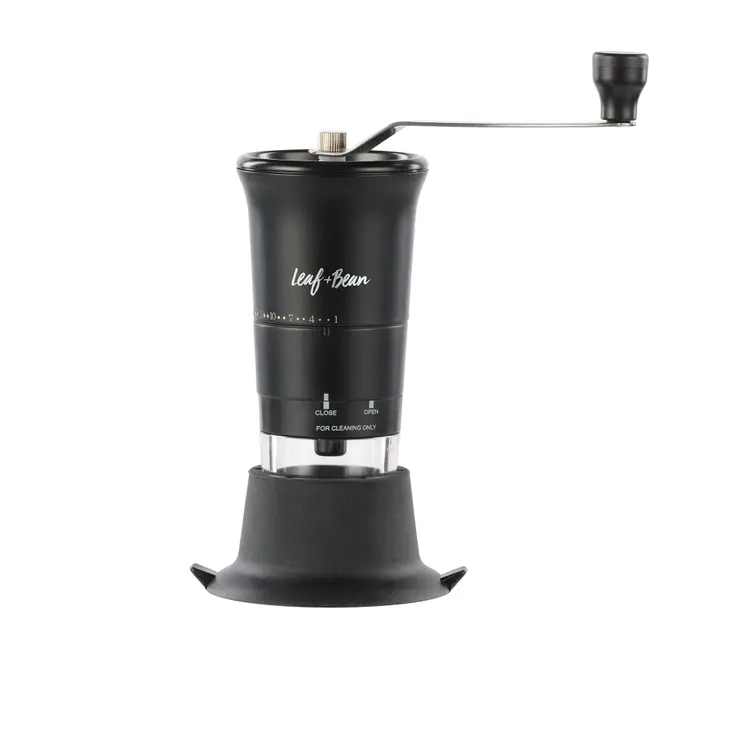
Manual grinders, operated by a hand crank, are often the unsung heroes of the pour-over world.
- Pros: They’re generally more affordable than electric models of comparable quality, incredibly portable (perfect for travel!), and whisper-quiet – no waking up the whole house with your morning ritual. Because they operate at lower speeds, they generate less heat, preserving those volatile coffee aromas. Many are also excellent for “single dosing,” meaning you only grind the exact amount of beans you need, leading to zero retention of stale grounds.
- Cons: The most obvious drawback is the effort involved. Grinding by hand takes time and muscle, especially for larger batches. While modern manual grinders have made significant strides in ease of adjustment, some can still be a bit fiddly compared to their electric counterparts.
- Popular Picks: The 1Zpresso JX Pro, Timemore Chestnut C3, Porlex Mini, and Hario Skerton+ are fan favorites, known for their consistency and robust build.
Electric Grinders
For those who prioritize convenience and speed, an electric grinder is the way to go.
- Pros: Just pour your beans, select your setting, and hit a button – quick, effortless grinding, especially useful for multiple cups. Many electric grinders also boast larger hoppers, so you don’t have to refill as often.
- Cons: They can be noisy, take up more counter space, and generally come with a higher price tag. While some advanced electric grinders (like the Fellow Ode Gen 2) are remarkably quiet and mitigate heat, it’s still a consideration. They also typically offer fewer grind settings than high-end manual grinders, though often enough for most pour-over enthusiasts.
- Popular Picks: The Fellow Ode Gen 2, Baratza Encore, Baratza Virtuoso+, and Baratza Sette 30 are commonly lauded for their performance.
Conical vs. Flat Burrs: Which is Best for Pour Over?
Once you’ve decided on manual or electric, you’ll encounter another choice: conical or flat burrs. Don’t worry, it’s not as complex as it sounds!
Conical Burrs
Most home grinders, both manual and electric, utilize conical burrs. These grinders feature a cone-shaped inner burr that crushes beans against an outer serrated burr. They are often praised for being quieter, producing less heat during grinding, and offering a good level of control over grind size. While they can sometimes produce a slightly wider distribution of particle sizes compared to flat burrs (meaning a few more fines), they still deliver excellent consistency, far superior to blade grinders, and are a solid choice for pour-over.
Flat Burrs
Flat burr grinders employ two parallel, ring-shaped burrs that grind beans between them. They are celebrated for their exceptional grind uniformity, often resulting in an incredibly clean, crisp cup with distinct flavor separation. While traditionally favored for espresso, high-end flat burr grinders, like the Fellow Ode Gen 2, are increasingly popular for pour-over due to their ability to produce an incredibly clear and nuanced brew. However, they can sometimes generate more heat and may have a bit more “retention” (some ground coffee left in the grinder after use) than conical burrs.
The Verdict
Ultimately, both conical and flat burr grinders can produce fantastic pour-over coffee. Conical burrs offer great value and consistency, while high-end flat burrs can deliver ultimate clarity and flavor distinction, often at a premium. The key is quality burr design, regardless of shape.
Key Features to Look for in a Pour Over Grinder
When you’re ready to invest in your pour-over perfection, keep these features in mind:
- Grind Settings: Look for a grinder with at least 20-50 distinct settings, particularly focused on the medium range suitable for pour-over. Easy adjustment is key – external dials are a huge plus for convenience.
- Burr Material: While ceramic burrs are durable, steel burrs are generally sharper, faster, and offer superior consistency, making them the preferred choice for serious coffee enthusiasts.
- Build Quality & Durability: A heavier grinder often indicates a more robust construction with fewer plastic parts, suggesting greater longevity and stability.
- Hopper Capacity & Retention: If you typically brew one cup at a time, a grinder optimized for “single dosing” (low capacity, minimal retained grounds) is ideal for freshness. For larger batches, a generous hopper capacity might be more convenient.
- Ease of Cleaning & Maintenance: Coffee oils and fine particles build up over time. Grinders with easily removable burrs and accessible components make regular cleaning a breeze, ensuring consistent performance and flavor.
Top Picks: Finding Your Best Coffee Grinder for Pour Over
Choosing the perfect grinder can feel overwhelming, so let’s highlight some standout options that consistently impress pour-over enthusiasts:
- Overall Electric Recommendation: The Fellow Ode Gen 2 is a marvel of design and performance. With its large 64mm flat burrs and 31 precise grind settings, it delivers exceptional clarity and consistency, making it a top contender for the discerning pour-over brewer. It’s also remarkably quiet.
- Best Value Electric: The Baratza Encore remains a perennial favorite, especially for beginners. Its 40mm conical burrs and 40 grind settings offer reliable consistency and ease of use, making it an excellent entry point into quality electric grinding.
- Top Manual Pick: For those who appreciate the ritual of hand grinding, the 1Zpresso K-Ultra is a true powerhouse. It’s incredibly versatile, offers superb grind consistency across a wide range of settings, and boasts an intuitive external adjustment dial and a convenient magnetic catch cup.
- Budget Manual: The Timemore Chestnut C3 proves that quality doesn’t have to break the bank. Its 38mm S2C steel burrs provide impressive grind consistency and efficiency for its price point, making it a fantastic compact option for pour-over on a budget.
- High-End Specialized Manual: If you’re a dedicated light roast pour-over aficionado seeking ultimate clarity, the 1Zpresso ZP6 Special is a specialized tool that can produce exceptionally clean and complex cups, rivaling some of the best flat burr grinders out there.
|
Our Picks for the Best Coffee Grinder in 2026
As an Amazon Associate I earn from qualifying purchases.
|
||
| Num | Product | Action |
|---|---|---|
| 1 | Touch&Match On-Demand Coffee Grinder, Professional Burr Grinder Made in Italy with Touch Screen, Precise Settings for Espresso, Moka, Filter & Americano, Fresh Grinding |

|
| 2 | BLACK+DECKER One Touch Coffee Grinder, 2/3 Cup Coffee Bean Capacity, Spice Grinder, One Touch Push-Button Control -150 Watts -Stainless Steel Blades |
|
| 3 | Amazon Basics Electric Coffee Grinder, Coffee Bean and Spice Grinder, With Heavy-Duty Stainless Steel Grind Blades |
|
| 4 | Fellow Gen 2 Ode Brew Grinder - Burr, Electric Coffee Bean Grinder with 31 Settings for Drip, French Press & Cold Brew - Small Footprint - Matte Black |
|
| 5 | Hamilton Beach Fresh Grind Electric Coffee Grinder for Beans, Spices and More, Stainless Steel Blades, Removable Chamber, Makes up to 12 Cups, Black |
|
| 6 | Amazon Basics Electric Coffee Grinder, Coffee Bean and Spice Grinder, With Heavy-Duty Stainless Steel Grind Blades |
|
| 7 | BLACK+DECKER One Touch Coffee Grinder, 2/3 Cup Coffee Bean Capacity, Spice Grinder, One Touch Push-Button Control -150 Watts -Stainless Steel Blades |
|
| 8 | OXO Brew Conical Burr Coffee Grinder - Silver, Stainless Steel Burrs, One-Touch Automatic Smart Grind |
|
| 9 | Cuisinart Coffee Grinder, Electric One-Touch Automatic Burr Coffee Grinder with 18-Position Grind Selector, Cup Size Selector for 4 – 18 Cups, DBM-8P1, Black Stainless |
|
| 10 | Electric Coffee Grinder, Conical Burr Grinder with 17 Precise Settings, 10oz Capacity, Quiet Operation, Automatic Shut-Off for Espresso, French Press, Cold Brew & Drip Coffee |
|
Mastering Your Pour Over Grinder: Tips & Tricks
Owning a great grinder is just the first step; knowing how to use it is where the magic happens!
- Start with Fresh, Quality Beans: This might seem obvious, but even the best grinder can’t magically improve stale beans. Always use freshly roasted, high-quality coffee.
- Dialing In is an Art: Don’t be afraid to experiment! Grind a small batch, brew, and taste. If it’s too bitter, your grind might be too fine; try going a click or two coarser. If it’s too sour or watery, your grind might be too coarse; go finer.
- Regular Cleaning is Key: Coffee oils and microscopic particles build up over time, leading to clogging and impacting flavor. A quick brush-down of the burrs weekly, with a deeper clean monthly or bi-monthly, will keep your grinder performing its best. Many modern grinders have easily removable burrs for hassle-free cleaning.
- Embrace Single Dosing: To ensure maximum freshness and prevent stale grounds from contaminating your next brew, try single dosing. Grind only the precise amount of whole beans you need for each pour-over.
Expert Insight: The Pour Over Philosophy
“A truly exceptional pour-over is a dance between bean, water, and grind. The grinder isn’t just a tool; it’s the orchestrator of flavor, allowing the coffee’s true character to shine.” – Dr. Lena Hansen, Coffee Science Specialist at Aroma Labs
“Many new brewers obsess over water temperature, but a consistent, uniform grind size from a quality burr grinder is often the most overlooked component for achieving that clean, nuanced pour-over cup.” – Marcus Thorne, Head Barista at The Daily Grind Cafe.
Frequently Asked Questions
Q: What grind size is best for pour-over coffee?
A: For pour-over coffee, a medium to medium-fine grind is generally recommended. It should resemble coarse sand or sea salt. This size allows for optimal water flow and extraction over the typical pour-over brew time.
Q: Can I use a blade grinder for pour-over?
A: We strongly advise against using a blade grinder for pour-over. Blade grinders produce inconsistent particle sizes, leading to uneven extraction. This results in a bitter, sour, or generally muddled flavor profile that detracts from the delicate nuances pour-over can offer. A burr grinder is essential for quality.
Q: How often should I clean my coffee grinder?
A: For daily users, a light cleaning with a brush once a week to remove loose grounds is beneficial. A more thorough cleaning, involving disassembling the burrs to remove built-up coffee oils, should be done monthly or every two months, depending on usage and coffee oiliness.
Q: Are manual grinders better than electric for pour-over?
A: Neither is inherently “better”; it depends on your priorities. High-quality manual grinders can offer exceptional grind consistency and portability, often at a lower price point than comparable electric models. Electric grinders provide unmatched convenience and speed, making them ideal for multiple servings or busy mornings.
Q: What’s the difference between conical and flat burrs for pour-over?
A: Conical burrs (cone-shaped) are often quieter, produce less heat, and offer good control, making them a popular choice for pour-over. Flat burrs (two parallel discs) are known for achieving slightly more uniform grounds, particularly in high-end models, which can lead to a cleaner and more distinct flavor profile in your cup. Both types can produce excellent results for pour-over.
Conclusion
In the journey to crafting the perfect cup of pour-over coffee, the grinder stands as a pivotal player. Investing in the best coffee grinder for pour over isn’t just about owning a piece of equipment; it’s about making a commitment to flavor, consistency, and an elevated coffee experience. Whether you lean towards the thoughtful ritual of a manual grinder or the seamless convenience of an electric model, prioritize grind consistency, adjustable settings, and durable burr quality. We hope this guide empowers you to explore the exciting world of coffee grinding and ultimately brew your most delicious pour-over yet. Now, go forth, experiment, and share your amazing coffee journeys with the “Góc Xay Cafe” community!