Ever wondered why that perfectly roasted, high-quality coffee bean sometimes falls flat in your cup? The secret, my friend, often lies not in the bean itself, but in how it’s prepared right before brewing. Getting the grind just right is an art and a science, and having the Best Coffee Bean Grinder can truly elevate your daily ritual from a simple caffeine fix to an exquisite sensory experience. Let’s dive into why investing in a top-notch grinder is non-negotiable for any true coffee lover and help you find your perfect match.
Why a Quality Coffee Bean Grinder is a Game-Changer
Think of your coffee beans as tiny capsules of flavor and aroma, packed with delicate volatile compounds. The moment you grind them, these compounds are exposed to air, moisture, and heat, beginning a rapid degradation process. Pre-ground coffee, while convenient, has already lost a significant portion of its vibrancy by the time it reaches your mug. Grinding your beans fresh, just before brewing, ensures you capture that full, complex bouquet of taste and aroma.
But it’s not just about freshness; it’s about consistency. A truly great cup of coffee relies on even extraction, meaning hot water pulls out flavors from all the coffee particles at the same rate. An inconsistent grind—some particles fine, some coarse—leads to a chaotic extraction where some parts are over-extracted (bitter) and others are under-extracted (sour or weak). A quality coffee bean grinder delivers uniform particles, allowing for a balanced, delicious brew every single time. It also gives you the power to customize your grind size, a crucial factor for different brewing methods, opening up a world of coffee possibilities right in your kitchen.
Decoding Coffee Grinder Types: Burr vs. Blade, Conical vs. Flat
When you’re on the hunt for the best coffee bean grinder, you’ll primarily encounter two main types: blade grinders and burr grinders. Understanding their differences is key to making an informed choice.
Blade grinders, often found at lower price points, function much like a blender or a spice grinder. They use a spinning metal blade to chop and pulverize coffee beans. While they get the job done quickly, this chopping action creates an incredibly inconsistent grind, producing a mix of fine powder and larger chunks. This unevenness directly impacts the flavor of your coffee, leading to unpredictable extraction and a less satisfying cup. For serious coffee enthusiasts, blade grinders are generally not recommended.
Burr grinders, on the other hand, are the gold standard. Instead of chopping, they crush coffee beans between two abrasive surfaces, known as burrs. This method allows for precise control over the grind size, resulting in a remarkably uniform consistency. There are two main types of burr grinders:
Conical Burr Grinders
These grinders feature an inner cone-shaped burr that grinds against an outer ring-shaped burr. They typically operate at a slower RPM (rotations per minute), which means less heat is generated during the grinding process. This is a huge plus because excessive heat can degrade coffee oils and introduce bitter notes. Conical burr grinders are generally quieter, cleaner, and often more affordable than their flat burr counterparts, making them a popular choice for home baristas. While they can produce a bimodal grind (a mix of small and large particles), many high-quality conical burrs still deliver excellent consistency.
Flat Burr Grinders
Flat burr grinders utilize two parallel, donut-shaped burrs that face each other. Beans are ground as they pass through the space between these two flat surfaces. These are often seen in professional coffee shops because they can produce an incredibly uniform grind. This uniformity can lead to a very “clean” and “one-note” flavor profile, which allows baristas more creative control over their brews. However, they can sometimes be louder and generate slightly more heat due to their higher operating speeds.
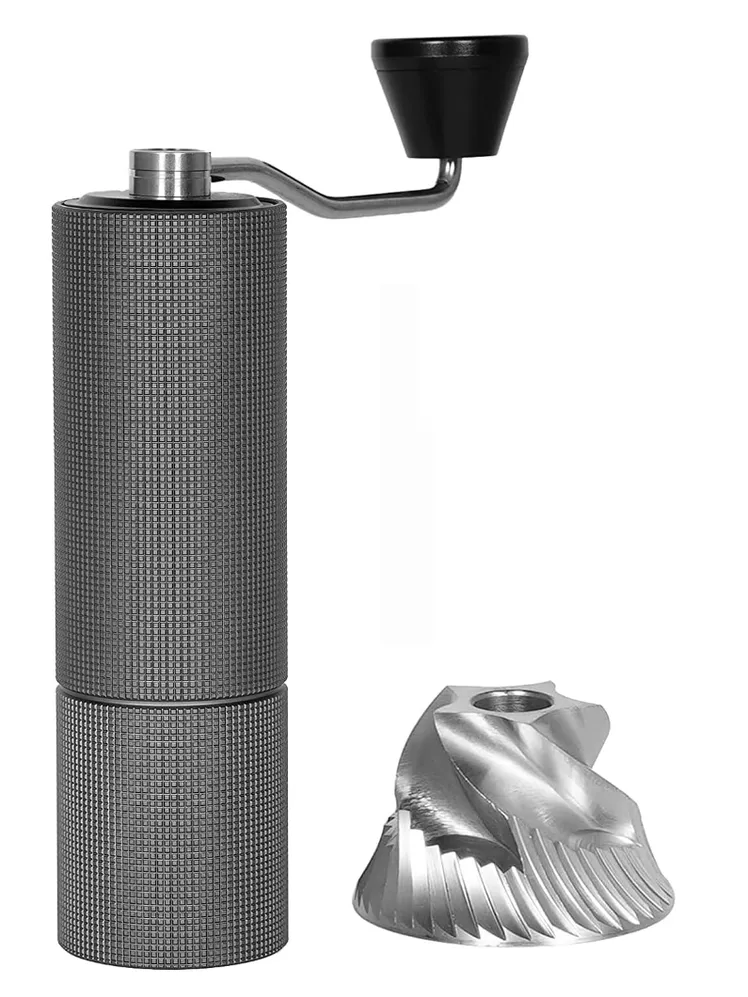
Beyond electric options, you also have manual grinders. These hand-cranked devices use burrs to achieve excellent grind consistency and are typically much cheaper than electric models. They’re perfect for small batches, travel, or for those who appreciate a quiet, tactile grinding experience. The downside? They require a bit of elbow grease, which can be tiresome for grinding larger quantities. Many coffee lovers actually own both an electric grinder for daily use and a manual one for special occasions or on-the-go brewing.
Key Factors to Consider When Choosing the Best Coffee Bean Grinder
Navigating the world of coffee grinders can feel overwhelming, but focusing on these key factors will help you find the best coffee bean grinder for your specific needs:
Grind Settings and Consistency
This is paramount. Different brewing methods demand different grind sizes for optimal extraction. For instance, espresso requires a very fine, almost powdery grind (around 300-400 microns), while a French press needs a coarse grind, resembling sea salt or steel-cut oats (1,000 microns or larger). Pour-over and drip coffee typically fall in the medium range (600-800 microns). A good grinder will offer a wide range of settings and, more importantly, produce consistently sized particles at each setting. The fewer “fines” (undesirably powdery grounds) and “boulders” (too large particles), the better your coffee will taste.
Burr Material
The burrs are the heart of your grinder. They are typically made from either stainless steel or ceramic.
- Stainless Steel Burrs: These are excellent at cutting through beans quickly and efficiently. They’re durable and often more affordable, providing great value for daily use. While they can generate a bit more heat than ceramic, good quality steel burrs rarely impact flavor.
- Ceramic Burrs: Known for running cooler and quieter, ceramic burrs also maintain their sharpness exceptionally well over time. However, they can be more expensive and are susceptible to cracking if they encounter a hard foreign object like a small stone in your beans.
Motor Speed and Heat
A lower RPM grinder generally translates to less heat buildup during grinding, which helps preserve the delicate flavors of your coffee. High-speed grinders with larger motors might be quicker, but can introduce more noise and heat, potentially leading to a slightly bitter taste. Most residential conical burr grinders are designed to operate at lower speeds.
Capacity and Dosing
Consider how much coffee you typically brew. Do you prefer to grind beans for a single cup (single-dosing) or store a larger quantity in a hopper? Some advanced grinders even feature integrated scales, allowing you to program the exact amount of coffee in grams or by cup count, which adds a layer of convenience and precision.
Ease of Use and Cleaning
A user-friendly design makes your daily coffee routine smoother. Look for grinders with intuitive controls, easy-to-read settings, and simple assembly/disassembly for cleaning. Features like anti-static technology can also save you from messy countertops.
Noise Level
Grinders can be surprisingly loud. If you’re an early riser and don’t want to wake the whole household, consider models known for quieter operation. Flat burr grinders and some high-speed conical burrs tend to be louder.
Budget
The price range for coffee grinders is vast. While it’s tempting to opt for the cheapest option, remember that a good burr grinder is an investment in better coffee. There are excellent budget-friendly burr grinders available that offer significant improvements over blade grinders, but be prepared to spend a bit more for features like advanced grind consistency, more settings, and durable construction.
Top Picks for the Best Coffee Bean Grinder in 2025
Based on extensive testing and expert opinions, here are some of the best coffee bean grinder options that consistently deliver quality and performance:
- Best Overall / Serious Coffee Geeks: The Baratza Virtuoso+ Conical Burr Coffee Grinder is a favorite among professionals for its wide range of 40 grind settings, consistent results, and excellent customer service. It boasts durable stainless steel conical burrs, making it a reliable workhorse.
- Best for Most People: The OXO Brew Conical Burr Coffee Grinder offers fantastic value for its price. It’s simple, intuitive, and provides impressive grind consistency for most brewing methods. Its metal grounds container helps reduce static, a common grinder annoyance.
- Editor’s Pick / Versatile: The Breville The Smart Grinder Pro stands out with its user-friendly digital interface and 60 precise grind settings. It’s praised for its easy assembly and disassembly for cleaning, making it a convenient choice for various brew styles, including entry-level espresso.
- Best Budget Option for Coffee Geeks: For those wanting Baratza quality without the Virtuoso+ price tag, the Baratza Encore Conical Burr Coffee Grinder is an excellent entry-point. It shares the same motor as its pricier sibling and offers upgradable burrs for future enhancements, providing impressive consistency for its category.
- Best for Pour-Over Coffee: The Fellow Ode Gen 2 Coffee Grinder is a sleek option featuring vertically-oriented stainless steel flat burrs and anti-static technology. It delivers exceptionally consistent grinds for pour-over and other manual brew methods, making it a favorite for those who love to tinker and fine-tune their coffee.
- Best Manual Coffee Grinder: The 1Zpresso J Manual Coffee Grinder is a highly-rated handheld option for its speed, ease of use, and compact design. It’s perfect for travelers or for brewing smaller, precise batches, offering excellent grind quality on the go.
- Best for Dedicated Espresso Grinding: If espresso is your passion, the Baratza ZCG495 Encore ESP Coffee Grinder offers excellent precision. With 40 grind settings and 20 micro-adjustments, it allows for fine-tuning shots and comes with a dosing cup, catering specifically to the demanding needs of espresso.
- With Integrated Scale: The OXO Brew Conical Burr Coffee Grinder With Integrated Scale takes convenience a step further by including a built-in digital scale. You can program the exact gram weight or number of cups, ensuring consistent dosing without manual weighing.
Essential Tips for Using and Maintaining Your Coffee Bean Grinder
Even the best coffee bean grinder needs a little love to perform its best and last for years. Here are some indispensable tips:
Grinding Fresh for Flavor
Always grind your coffee beans immediately before brewing. The rapid oxidation after grinding quickly strips away those precious aromas and flavors, so don’t let your efforts go to waste by grinding too far in advance.
Grind Size Matching
Make sure your grind size matches your chosen brewing method. A grind that’s too fine for a French press will result in muddy, over-extracted coffee, while a grind that’s too coarse for espresso will lead to weak, under-extracted shots. Don’t be afraid to experiment slightly within the recommended ranges to find your personal sweet spot.
Cleaning Your Grinder
Regular cleaning is crucial. Coffee beans contain natural oils that, over time, can build up on the burrs and internal components, becoming rancid and imparting stale, off-flavors to your fresh coffee.
- Frequency: For daily users, a quick clean every week is ideal, with a deeper clean monthly. If you’re using darker, oilier roasts, you might need to clean more often.
- Methods:
- Brushing/Vacuuming: Unplug your grinder first. Use a small stiff brush (often included with the grinder) to clear out residual grinds and oils from the burrs and chute. A vacuum cleaner can also be effective for removing loose particles.
- Grinder Cleaning Tablets/Pellets: These food-safe, edible granules can be ground through your machine like coffee beans. They absorb coffee oils and help dislodge old grinds without affecting future coffee taste. After using them, grind a small amount of old coffee beans to clear any residue from the tablets.
- What to Avoid:
- Water: Never submerge an electric grinder in water. For removable parts, ensure they are completely dry before reassembling, as rust can damage burrs.
- Grinding Rice (for burr grinders): While some recommend grinding uncooked rice for blade grinders, it can damage or even break the delicate burrs in a burr grinder. Stick to specialized cleaning tablets for burr models.
- Signs it needs cleaning: If you notice visible residue, off-color grinds when you switch bean types, unusual noises, slower grinding speed, or difficulty adjusting settings, it’s definitely time for a clean.
General Best Practices
- Don’t Regrind: If you’ve accidentally ground your coffee too coarse, don’t run it back through a burr grinder. It can clog the mechanism and will likely result in an even more inconsistent grind. It’s better to start fresh with whole beans.
- Manage Static: Grinding coffee can create static cling, leading to messy countertops. While some suggest a tiny spritz of water on beans, too much moisture can cause clumping. Often, simply letting the freshly ground coffee sit for 30-45 seconds in the catch cup allows the static charge to dissipate naturally.
The Impact of Grind Size on Your Coffee’s Flavor
Understanding how grind size influences flavor is like unlocking a secret code to better coffee. The surface area of coffee particles is directly related to extraction. Finer grinds have more surface area, allowing water to extract flavors quickly. This is why espresso, with its short contact time, needs a very fine grind. Conversely, coarser grinds have less surface area, requiring longer contact times for proper extraction, as seen in a French press.
Grind size also dictates the flow rate of water through your coffee bed, especially in methods like pour-over or espresso. Too fine a grind can impede water flow, leading to over-extraction and bitterness. Too coarse, and the water rushes through too quickly, resulting in under-extraction and a weak, sour cup. By mastering your grinder’s settings, you gain unparalleled control over these variables, allowing you to fine-tune your coffee’s body, acidity, and overall flavor clarity. It empowers you to experiment and discover the exact taste profile you love.
Conclusion
The journey to the perfect cup of coffee is deeply personal, but it almost always begins with the best coffee bean grinder. Investing in a quality grinder isn’t just about buying another kitchen appliance; it’s about unlocking the full potential of your coffee beans, experiencing unparalleled freshness, and gaining complete control over your brew. Whether you’re a seasoned barista or just starting your coffee adventure, a great grinder will be your trusted companion, delivering consistent, flavorful results day after day. So, go ahead, explore the options, find the grinder that speaks to your coffee soul, and prepare to truly taste the difference. Your morning cup will thank you!