Getting into the world of home espresso can feel like stepping into a complex science lab. You’ve got your shiny espresso machine, your favorite beans, and a burning desire for that perfect shot. But if your espresso isn’t quite hitting the mark, there’s one crucial piece of equipment often overlooked as the true workhorse: the espresso coffee grinder. It’s not just a fancy gadget; it’s arguably the most vital component in your espresso setup, dictating the very soul of your brew. Without a dedicated espresso grinder, even the most expensive machine will struggle to produce anything close to a café-quality shot.
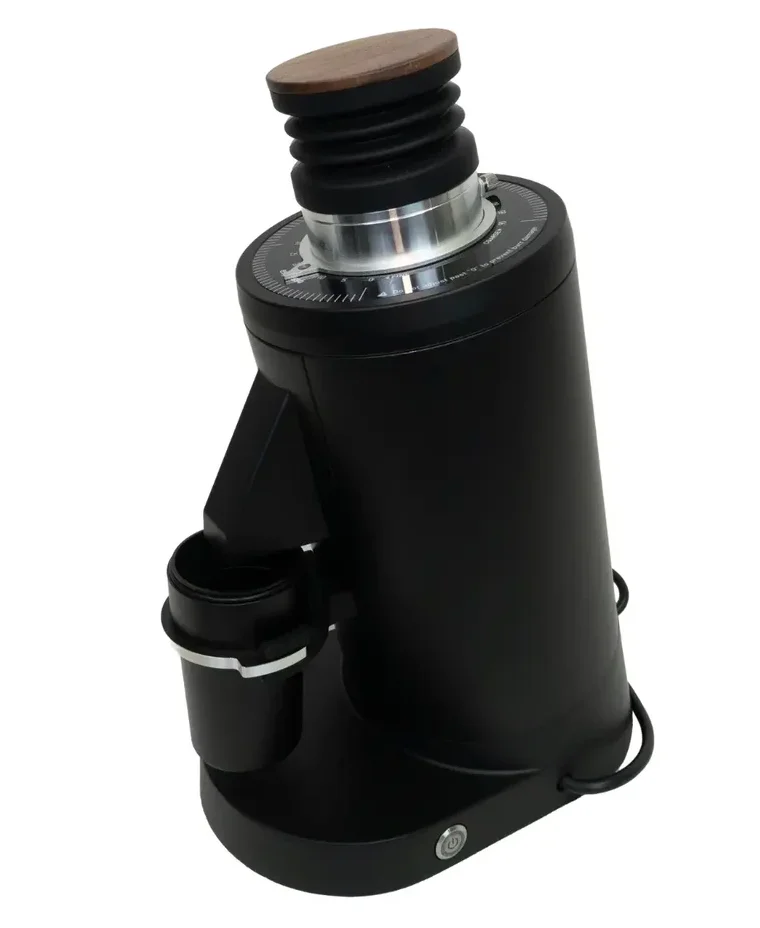
Why a Dedicated Espresso Grinder is Non-Negotiable
You might think any grinder will do, but espresso is a demanding brewing method. It requires a specific, extremely fine, and above all, consistent grind to achieve proper extraction.
Grind Consistency: The Heart of Espresso
Imagine trying to build a sandcastle with different sized rocks – it simply won’t hold together. The same principle applies to espresso. When hot water is forced through your coffee grounds at high pressure, it needs to extract evenly. If your grounds have a mix of fine dust and coarser particles, the water will find the path of least resistance, leading to “channeling.” This means some coffee is over-extracted (bitter, acrid) while other parts are under-extracted (sour, watery). A high-quality espresso coffee grinder delivers a remarkably uniform particle size, ensuring every single particle contributes perfectly to your shot.
Impact on Flavor: From Bitter to Balanced
The grind directly impacts the flavor. Too coarse, and your shot will be under-extracted, tasting sour, weak, and thin. Too fine, and you risk over-extraction, resulting in a bitter, astringent, and often muddy-tasting espresso. A good espresso grinder allows you to make minute adjustments, “dialing in” the perfect grind to achieve that sweet spot of balance, sweetness, and complexity that truly defines great espresso.
“Many aspiring home baristas focus heavily on their espresso machine, but I always tell them the grinder is where the magic truly begins,” says Marcus Thorne, a seasoned barista and owner of ‘The Daily Grind’ coffee shop. “You can’t make a great espresso with a bad grind, no matter how good your machine is.”
Understanding Espresso Grinder Types
When we talk about espresso grinders, we’re primarily talking about burr grinders. Blade grinders, which essentially chop coffee, produce inconsistent particle sizes and are completely unsuitable for espresso.
Electric Espresso Grinders
These are the most common choice for home baristas, offering convenience and speed.
- Burr Types: Conical vs. Flat Burrs
- Conical Burrs: These burrs consist of two cone-shaped abrasive elements that grind coffee as it passes through. They are generally quieter, produce less static, and often retain less coffee. They’re excellent at producing a consistent grind for espresso.
- Flat Burrs: Composed of two parallel rings with abrasive surfaces. Coffee is ground as it passes between them. Flat burrs are known for producing a very uniform grind, which some argue yields a clearer, more defined flavor profile in espresso. They can be louder and might have slightly more retention than conical burrs. Both types are capable of producing excellent espresso grinds.
- Adjustment: Stepless vs. Stepped
- Stepless Adjustment: This is paramount for espresso. Stepless grinders allow you to make infinite, tiny adjustments to the grind size. This micro-adjustment capability is essential for “dialing in” your espresso shot to perfection, allowing you to fine-tune the extraction time and flow rate.
- Stepped Adjustment: These grinders have pre-defined notches or “steps” for grind settings. While acceptable for other brew methods like drip or French press, the jumps between steps are often too large for the precision needed for espresso.
- Dosing: On-demand, Timed, Doser
- On-demand (Doserless): Grinds directly into your portafilter as you need it, ensuring the freshest possible grounds for each shot. This is highly recommended for espresso.
- Timed Dosing: Allows you to set a specific grinding duration, ensuring consistent dosing for single and double shots.
- Doser Grinders: Grind coffee into a chamber, then dispense it with a lever. While efficient in a commercial setting, for home use, coffee can sit in the doser and go stale.
- Motor: Heat, RPM, Noise
Higher quality grinders often feature slower motors or larger burrs that grind coffee more efficiently without generating excessive heat. Heat can negatively impact the delicate aromas and flavors of your coffee.
Manual Espresso Grinders
For those who enjoy a more hands-on approach, or need portability, manual espresso grinders are an excellent choice.
- Portability and Quiet Operation: Perfect for travel or a quiet morning routine without waking the household.
- Consistency for Travel/Low Volume: Many high-quality manual grinders, like the Comandante, can produce incredibly consistent espresso grinds, rivaling electric models, especially for single doses.
- Effort vs. Reward: They require manual effort to grind, which can be a workout, especially for fine espresso grinds. However, many find the ritual rewarding.
Key Features to Look for in Your Espresso Coffee Grinder
Choosing the right espresso coffee grinder involves understanding a few critical features that go beyond just “grinding fine.”
- Grind Adjustment Precision: As discussed, stepless or micro-stepped adjustment is essential. Look for grinders that offer very fine control, allowing you to tweak your grind by tiny increments.
- Burr Quality and Material: Large, sharp burrs made from hardened steel or ceramic (less common for espresso) are preferable. Larger burrs generally grind faster and more consistently with less heat.
- Low Retention: This refers to how much ground coffee remains in the grinder after grinding. Low retention grinders mean less stale coffee making its way into your fresh shot, ensuring optimal flavor. Some grinders even feature “zero retention” designs.
- Ease of Cleaning and Maintenance: Coffee oils and fine particles build up over time, affecting performance and flavor. A grinder that’s easy to disassemble and clean will serve you well in the long run.
- Build Quality and Durability: A good espresso grinder is an investment. Look for robust construction, quality materials, and a stable base to minimize vibration during grinding.
- Noise Level: Some grinders can be quite loud. If you live in an apartment or prefer quiet mornings, consider models known for their quieter operation.
Choosing the Right Espresso Grinder for Your Setup
Finding your ideal espresso coffee grinder is about matching features with your personal needs and budget.
- Budget Considerations: Espresso grinders range from a couple of hundred dollars to well over a thousand. Generally, the more you spend, the better the burr quality, motor, build, and features like low retention and stepless adjustment.
- Volume of Espresso Made: If you make one or two shots a day, a high-quality manual grinder or a smaller electric model might suffice. For multiple shots throughout the day or for entertaining, a faster, higher-capacity electric grinder will be more practical.
- Espresso Machine Compatibility: While most grinders work with most machines, consider your machine’s workflow. If you have a high-end E61 group head machine, you’ll want a grinder that can truly keep up with its demands for precision.
- Desired Workflow: Do you prefer grinding directly into your portafilter? Do you want timed dosing? Consider how the grinder integrates into your morning routine.
Tips for Using and Maintaining Your Espresso Grinder
A great espresso coffee grinder deserves proper care and technique.
- Dialing In Your Espresso: This is the process of adjusting your grind size to achieve the perfect extraction. Start with a recommended setting from your grinder’s manual or a general guideline (e.g., 25-30 seconds for a 1:2 brew ratio) and make tiny adjustments until your espresso flows beautifully and tastes balanced.
- Regular Cleaning: Coffee oils can go rancid and clog burrs. Use a grinder brush regularly to remove loose grounds. Periodically, use specialized grinder cleaning tablets (like Urnex Grindz) or disassemble your burrs for a deeper clean as per the manufacturer’s instructions.
- Avoiding Overloading: Don’t fill your hopper to the brim if you only make one or two shots a day. Freshly roasted beans start to lose their aroma and flavor once exposed to air. Grind small batches.
- Keeping Beans Fresh: Store your whole beans in an airtight container away from light, heat, and moisture. Only grind what you need, just before brewing.
Popular Espresso Grinder Brands and What They Offer
The market offers a fantastic range of espresso grinders, each with its loyal following. Brands like Baratza are often recommended for their excellent value and consistent performance in the home market. Eureka Mignon grinders are renowned for their robust build and precise stepless adjustment, making them a favorite for many home baristas. Niche Zero, with its unique single-dosing workflow and conical burrs, has gained immense popularity for its low retention and exceptional grind quality. Fellow, Breville, and Rancilio also offer solid options that cater to different budgets and feature preferences. Each brand brings its own engineering philosophy to the table, but they all share the common goal of helping you achieve perfect espresso.
Frequently Asked Questions
Q: Can I use a blade grinder for espresso?
A: Absolutely not. Blade grinders chop coffee beans inconsistently, creating an uneven mix of fine dust and coarse chunks. This leads to channeling and unpredictable, often terrible, espresso. A burr grinder is essential for espresso.
Q: How fine should I grind my coffee for espresso?
A: Espresso requires a very fine grind, often described as similar to powdered sugar or a consistency that feels like flour when rubbed between your fingers. However, the exact fineness will depend on your specific beans, espresso machine, and desired extraction time. You’ll need to “dial in” your grinder.
Q: What’s the difference between conical and flat burrs for espresso?
A: Conical burrs are cone-shaped, generally produce less static, and often have lower retention. Flat burrs are two parallel rings and are known for yielding a very uniform grind that can highlight clarity in espresso. Both can produce excellent results; it often comes down to personal preference.
Q: How often should I clean my espresso grinder?
A: For optimal performance and taste, use a brush to clean out residual grounds daily. Perform a deeper clean with grinder cleaning tablets every 1-2 weeks, and a full disassembly and cleaning of the burrs every 1-3 months, depending on usage.
Q: Is a more expensive grinder always better for espresso?
A: While budget grinders can be a starting point, investing in a mid-to-high-range espresso coffee grinder generally yields significantly better results. More expensive grinders typically feature higher quality burrs, more precise adjustment mechanisms, better build materials, and lower retention, all of which contribute to superior espresso.
Conclusion
Your espresso coffee grinder is the unsung hero of your home espresso setup. Investing in a quality burr grinder with precise, stepless adjustment and understanding how to use and maintain it will transform your coffee experience. It allows you to unlock the full potential of your beans, consistently producing rich, balanced, and delicious espresso shots. Don’t underestimate its power; make an informed choice, experiment with your grind, and prepare to elevate your home barista game. Happy grinding!
|
Our Picks for the Best Coffee Grinder in 2026
As an Amazon Associate I earn from qualifying purchases.
|
||
| Num | Product | Action |
|---|---|---|
| 1 | BLACK+DECKER One Touch Coffee Grinder, 2/3 Cup Coffee Bean Capacity, Spice Grinder, One Touch Push-Button Control -150 Watts -Stainless Steel Blades |

|
| 2 | Electric Coffee Grinder, Conical Burr Grinder with 17 Precise Settings, 10oz Capacity, Quiet Operation, Automatic Shut-Off for Espresso, French Press, Cold Brew & Drip Coffee |
|
| 3 | Amazon Basics Electric Coffee Grinder, Coffee Bean and Spice Grinder, With Heavy-Duty Stainless Steel Grind Blades |
|
| 4 | Amazon Basics Electric Coffee Grinder, Coffee Bean and Spice Grinder, With Heavy-Duty Stainless Steel Grind Blades |
|
| 5 | BLACK+DECKER One Touch Coffee Grinder, 2/3 Cup Coffee Bean Capacity, Spice Grinder, One Touch Push-Button Control -150 Watts -Stainless Steel Blades |
|
| 6 | Fellow Gen 2 Ode Brew Grinder - Burr, Electric Coffee Bean Grinder with 31 Settings for Drip, French Press & Cold Brew - Small Footprint - Matte Black |
|
| 7 | Touch&Match On-Demand Coffee Grinder, Professional Burr Grinder Made in Italy with Touch Screen, Precise Settings for Espresso, Moka, Filter & Americano, Fresh Grinding |
|
| 8 | OXO Brew Conical Burr Coffee Grinder - Silver, Stainless Steel Burrs, One-Touch Automatic Smart Grind |
|
| 9 | Hamilton Beach Fresh Grind Electric Coffee Grinder for Beans, Spices and More, Stainless Steel Blades, Removable Chamber, Makes up to 12 Cups, Black |
|
| 10 | Cuisinart Coffee Grinder, Electric One-Touch Automatic Burr Coffee Grinder with 18-Position Grind Selector, Cup Size Selector for 4 – 18 Cups, DBM-8P1, Black Stainless |
|