There’s a secret ingredient to truly exceptional coffee that often gets overlooked: the perfect grind. Many coffee enthusiasts swear by the transformative power of freshly ground beans, and for good reason. It’s the moment where whole beans are awakened, ready to release their full aromatic potential into your cup. But with so many options out there, how do you choose the right tool to hit your personal brewing target? Whether you’re a seasoned home barista or just starting your coffee journey, understanding the nuances of a good coffee grinder is essential. Let’s delve into the world of coffee grinders, exploring how to select one that perfectly aligns with your brewing style and preferences, and where you might even find some excellent options.
Understanding Your Grind: Blade vs. Burr Grinders
The first step in choosing your ideal coffee grinder is to understand the fundamental differences between the two main types: blade grinders and burr grinders. Each operates distinctively and yields different results.
What’s the difference between blade and burr coffee grinders?
Blade grinders use a spinning blade, much like a blender, to chop and shatter coffee beans into smaller fragments. Burr grinders, on the other hand, employ two revolving abrasive surfaces (burrs) that crush and grind coffee beans between them to a uniform size. The method of breaking down the beans is crucial to the quality of your coffee.
Blade Grinders: The Entry Point
Blade grinders are typically more affordable and readily available, often found in general home goods sections. They operate by rapidly spinning a propeller-like blade that chops the coffee beans.
- Pros: Cost-effective, compact, can also be used for spices.
- Cons: Inconsistent grind size, generates heat that can burn the beans and affect flavor, often produces “fines” (very tiny particles) and “boulders” (larger chunks) simultaneously, leading to uneven extraction.
Burr Grinders: Precision for the Perfect Brew
Burr grinders are the preferred choice for serious coffee lovers because they offer a more consistent and precise grind. They come in two primary forms: conical and flat.
- Conical Burr Grinders: These feature two cone-shaped burrs that fit inside each other. They tend to be quieter, generate less heat, and are excellent for a wide range of grind sizes.
- Flat Burr Grinders: These have two identical, ring-shaped burrs that face each other. They can produce a very consistent grind, often preferred by espresso enthusiasts, but might be louder and retain more coffee grounds.
“Consistency is king when it comes to coffee grinding,” notes Eleanor Vance, Master Roaster and Coffee Equipment Specialist for Góc Xay Cafe. “An inconsistent grind means uneven extraction, and that’s the enemy of a delicious cup.”
Why a Precision Grind is Your Secret Weapon for Flavor
The magic of a quality coffee grinder lies in its ability to produce a uniform grind size. This uniformity is paramount for optimal flavor extraction during brewing.
How does grind size affect espresso taste?
For espresso, a precisely fine and consistent grind is non-negotiable. If the grind is too coarse, water flows through too quickly, resulting in under-extracted, weak, and sour espresso. If it’s too fine, water struggles to pass through, leading to over-extracted, bitter, and harsh espresso. A perfect grind allows for ideal resistance and balanced extraction, revealing the complex flavors of the coffee bean.
Every brewing method demands a specific grind size to extract the best flavors. An even particle size ensures that all the coffee grounds extract at roughly the same rate, preventing the unpleasant tastes of over-extraction (bitterness) and under-extraction (sourness or weakness) in the same cup.
Choosing Your Coffee Grinder: Hitting Your Personal Brewing Target
Selecting the right coffee grinder involves considering your brewing habits, budget, and desired features. Think of it as tailoring your equipment to your ultimate coffee experience.
Brew Method Matters
Your preferred brewing method is perhaps the most significant factor in choosing a coffee grinder.
- Espresso: Requires a very fine, consistent grind, making a high-quality burr grinder (especially conical burr) essential for achieving pressure and proper extraction.
- Pour-Over & Drip: A medium grind is ideal. A good burr grinder with multiple settings ensures you can dial in the perfect consistency.
- French Press & Cold Brew: These methods thrive on a coarse, uniform grind to prevent sludge and over-extraction. Again, a burr grinder offers the control needed.
Grind Settings: The Key to Versatility
Look for a coffee grinder with a wide range of adjustable grind settings. Some grinders offer “18 settings” or even “25 grind setting,” allowing you to precisely adjust the coarseness or fineness. This versatility is crucial if you enjoy experimenting with different brewing methods or want to fine-tune your grind for a specific bean.
Capacity & Design
Consider how much coffee you typically brew. Smaller, compact grinders are great for single servings, while larger hoppers are suitable for households that consume a lot of coffee. Design also plays a role in aesthetics and counter space.
Budget & Brands: Finding Value
Coffee grinders range widely in price. While blade grinders are generally under $30, quality burr grinders can start around $50-$100 and go much higher for professional models. Brands like Hamilton Beach and Bodum offer excellent entry-level options, while Cuisinart, OXO, and KitchenAid provide reliable mid-range choices. For those seeking premium performance, brands like Fellow, ZWILLING, and Capresso are well-regarded. Many of these reputable brands, offering both electric and burr options, are conveniently available at major retailers.
“Don’t just chase the most expensive grinder,” advises Eleanor Vance. “Match your grinder to your primary brewing method and your budget. A good burr grinder, even an entry-level one, is a significant upgrade from a blade grinder for most home brewers.”
Noise Level
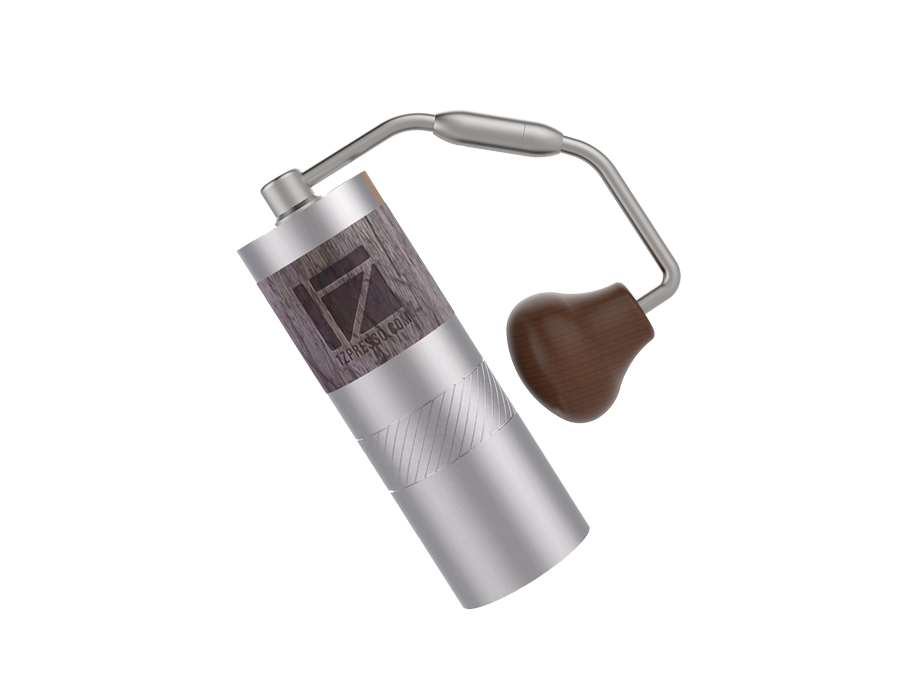
Some electric burr grinders can be quite noisy. If you’re an early riser and don’t want to wake the whole household, look for models specifically advertised as quiet or consider a manual grinder.
Maximizing Your Grinder’s Life: Usage and Maintenance Tips
To ensure your coffee grinder consistently performs its best and lasts for years, proper usage and regular maintenance are crucial.
What’s the best way to clean a burr coffee grinder?
The best way to clean a burr coffee grinder is to regularly brush out residual grounds with a stiff brush and occasionally run specialized grinder cleaning tablets through it. For a deeper clean, consult your grinder’s manual on how to remove and clean the burrs safely. Avoid using water directly on electric components.
- Don’t Overfill: Only grind the amount of beans you need for your current brew. This ensures freshness and reduces wasted coffee.
- Keep it Clean: Coffee oils and fine particles can build up, leading to stale flavors and reduced grinder efficiency. Use a small brush to remove grounds after each use. Periodically, you might need to disassemble and clean the burrs (follow your manufacturer’s instructions).
- Store Properly: Keep your grinder in a cool, dry place away from direct sunlight. Ensure the hopper is empty if you won’t be using it for an extended period.
- Fresh Beans Only: Avoid grinding flavored coffees or spices in your dedicated coffee grinder, as their aromas can linger and taint your regular coffee.
The Grind Size Spectrum: From Turkish to Cold Brew
Understanding the different grind sizes is fundamental to mastering your coffee brewing. Here’s a quick guide to what each looks like and which brewing method it suits:
- Extra Fine (Powder-like): Resembles flour or powdered sugar.
- Best for: Turkish coffee.
- Fine (Smooth, not gritty): Finer than table salt, smooth when rubbed between fingers.
- Best for: Espresso, Moka pot.
- Medium-Fine (Slightly gritty): Similar to sugar.
- Best for: Pour-over, Aeropress (with shorter brew times).
- Medium (Table salt): Feels like regular table salt.
- Best for: Drip coffee makers, siphon.
- Medium-Coarse (Rough sand): Noticeable particles, similar to coarse sand.
- Best for: Chemex, Clever Dripper.
- Coarse (Sea salt flakes): Large, distinct particles, like sea salt.
- Best for: French Press, cold brew.
Popular Coffee Grinder Brands & What They Offer
When you’re ready to invest in a coffee grinder, you’ll encounter several reputable brands that cater to different needs and budgets. Many of these are readily available through major retailers, making it convenient to compare and purchase.
- Cuisinart: Offers a range of both blade and burr grinders, often with multiple settings and user-friendly designs, making them a popular choice for home users.
- Hamilton Beach: Known for affordable and reliable blade grinders, as well as some entry-level burr options, perfect for those on a tighter budget.
- Bodum: A design-conscious brand offering stylish blade grinders and accessible conical burr grinders that provide a step up in consistency.
- OXO: Their BREW conical burr grinder is highly praised for its consistency, ease of use, and thoughtful design features.
- ZWILLING: Offers premium burr grinders with precise settings and sleek aesthetics, catering to those looking for advanced features and durability.
- KitchenAid: Provides robust blade grinders and some burr options, known for their durability and classic kitchen appliance styling.
- Fellow: A brand celebrated for its modern design and high-performance conical burr grinders, like the Opus, which targets discerning home baristas.
- Capresso: Specializes in coffee preparation equipment, including a variety of burr grinders known for their precise settings and reliability.
These brands often appear in lists of best-selling or highly-rated coffee grinders, reflecting their popularity and performance in the market.
Frequently Asked Questions About Coffee Grinders
Are coffee grinders from Target good quality?
Target offers a range of coffee grinders, including reputable brands like Cuisinart, Bodum, and OXO. While they carry some basic blade grinders, you can also find good quality electric burr grinders that provide excellent performance for their price point, suitable for most home brewing needs.
What’s the best type of coffee grinder for beginners?
For beginners looking for improved consistency without a steep learning curve, an electric conical burr grinder is often recommended. It provides good control over grind size and is relatively easy to use, offering a significant upgrade from blade grinders.
How often should I clean my coffee grinder?
For optimal flavor and performance, you should brush out residual grounds after every few uses or at least weekly. A deeper clean, involving disassembling and cleaning the burrs, should be done monthly or every few pounds of coffee beans, depending on usage.
Can I use a coffee grinder for spices?
While blade grinders can be used for spices, it’s generally not recommended for a dedicated coffee grinder, especially a burr grinder. Strong spice aromas can linger and transfer to your coffee, affecting its flavor. It’s best to have a separate grinder for spices.
What grind size is best for pour-over coffee?
For pour-over coffee, a medium-fine to medium grind size is generally best. It should resemble coarse sand or table salt. This allows for optimal water flow and extraction time, producing a clean, balanced cup.
Is a manual or electric coffee grinder better?
Neither is universally “better”; it depends on your needs. Manual grinders offer portability, quiet operation, and often excellent grind quality for their price, but require effort. Electric grinders provide convenience, speed, and often higher capacity, making them ideal for daily use.
How much should I spend on a good coffee grinder?
For a quality burr grinder that provides consistent results and versatility for various brewing methods, expect to spend anywhere from $70 to $200. While entry-level options exist, investing a bit more often yields significant improvements in grind consistency and durability.
Conclusion
Choosing the right coffee grinder is one of the most impactful decisions you can make in your quest for the perfect cup of coffee. It’s not just about pulverizing beans; it’s about unlocking their inherent flavors through precision and consistency. By understanding the differences between blade and burr grinders, recognizing the importance of grind size for your chosen brewing method, and considering key features, you’re well-equipped to find the perfect tool.
Whether you’re exploring options from popular brands available at major retailers or diving into specialty coffee equipment, the journey to finding your ideal coffee grinder is an exciting one. Experiment with settings, maintain your equipment, and most importantly, savor the rich, aromatic rewards of hitting your brewing target every single time. Here’s to consistently delicious coffee!