Ever wonder why your morning brew at home doesn’t quite hit the same as your favorite coffee shop’s? Often, the secret lies not just in the beans or the brewing method, but in how you prepare them. The journey to an exceptional cup of coffee truly begins with the grind, and that’s where finding the Best Home Coffee Grinder becomes your golden ticket. It’s the unsung hero of your kitchen, transforming whole beans into the perfect foundation for a truly delicious, aromatic experience.
In this comprehensive guide, we’ll dive deep into why a quality home coffee grinder is essential, explore the different types available, help you navigate the key factors to consider when buying one, and even share some top picks and expert tips to elevate your daily ritual. Get ready to unlock the full potential of your coffee beans!
Why a Quality Home Coffee Grinder is a Game Changer
If you’re still relying on pre-ground coffee or a less-than-ideal grinder, you’re missing out. Coffee beans are packed with delicate, volatile compounds that contribute to their rich flavor and captivating aroma. The moment these beans are ground, their surface area dramatically increases, exposing these precious compounds to air and moisture, leading to rapid degradation. Pre-ground coffee, no matter how fresh it claims to be, loses much of its vibrancy long before it reaches your cup.
Grinding your beans fresh, just before brewing, ensures you capture every nuanced flavor and intoxicating scent. A high-quality home coffee grinder doesn’t just break down beans; it does so with precision, creating a consistent particle size that is paramount for optimal extraction. Inconsistent grinds lead to uneven extraction, resulting in either a bitter, over-extracted mess or a weak, sour, under-extracted disappointment. A truly great grinder offers the adjustability needed to achieve the perfect consistency for your preferred brewing method, whether it’s a robust espresso, a silky pour-over, or a full-bodied French press.
Burr vs. Blade: The Grinding Truth
When it comes to coffee grinders, there are two main contenders: blade grinders and burr grinders. Understanding the fundamental difference is crucial for any home barista aiming for perfection.
Blade Grinders: The Chopping Contender
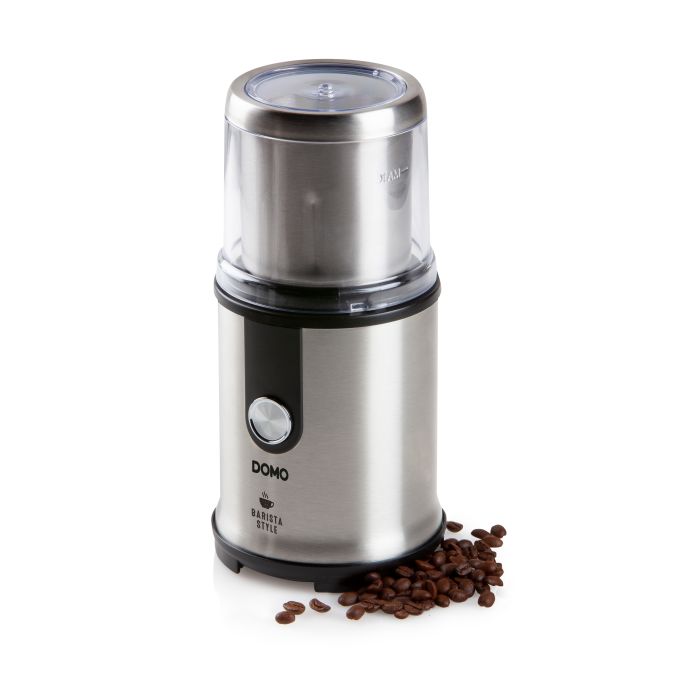
Blade grinders, often resembling mini-blenders, use a spinning blade to chop and shatter coffee beans into fragments. Think of it less as grinding and more as pulverizing. The result is a highly inconsistent mix of particles, ranging from fine dust (often called “fines”) to large, uneven chunks (“boulders”). This inconsistency is the enemy of good coffee. When brewing, the fines over-extract quickly, contributing bitterness, while the boulders under-extract, leading to sourness and a watery taste. If you’re serious about your coffee, blade grinders are best left for spices.
Burr Grinders: The Precision Champion
This is where the magic happens. Burr grinders utilize two abrasive surfaces, or “burrs,” to mill coffee beans between them. As the burrs move, they crush and cut the beans into uniform particles. This precision ensures a consistent grind size, which translates directly to a balanced and flavorful extraction.
Burr grinders come in two primary types:
- Conical Burr Grinders: These feature two cone-shaped burrs. They are popular for their excellent consistency, durability, and often quieter operation. Many beloved home grinders utilize conical burrs.
- Flat Burr Grinders: These have two flat, parallel burrs. When properly aligned, flat burrs can produce exceptional consistency and clarity in the cup, often favored by specialty coffee enthusiasts.
“A good burr grinder is the biggest upgrade you can make to your home coffee setup. It ensures consistent particle size, which is absolutely vital for a balanced extraction and unlocking your coffee’s full flavor potential,” explains Marcus Thorne, a seasoned coffee roaster and quality control expert. Investing in a burr grinder, even an entry-level one, will dramatically improve your coffee experience.
Choosing Your Best Home Coffee Grinder: Key Factors to Consider
Selecting the perfect best home coffee grinder can feel daunting with so many options available. Here’s what to look for to make an informed decision:
Grind Settings and Consistency
This is arguably the most critical factor. Different brewing methods demand different grind sizes. Espresso requires a very fine, almost powdery grind, while French press needs a coarse, chunky consistency. A quality grinder will offer a wide range of settings, often indicated by numbers or specific brew types (e.g., “espresso,” “pour-over,” “French press”). Look for models with at least 30-40 settings, or even micro-adjustments, especially if you plan to brew espresso. Consistency at each setting is key – you want uniform particles, not a mix of fines and boulders.
Burr Type: Conical vs. Flat
As discussed, burr grinders are superior. Most home models feature conical burrs, which are excellent for versatility and consistency across various brew methods. Flat burrs, while sometimes more expensive, can offer exceptional precision, particularly appealing for pour-over and other manual methods where clarity is prized. Both can produce fantastic results when well-engineered.
Ease of Use and Cleaning
A grinder should simplify, not complicate, your morning routine. Look for:
- Intuitive Controls: Clear dials, easy-to-read digital displays, and simple start/stop mechanisms.
- Easy Assembly/Disassembly: Cleaning is crucial for longevity and flavor. A grinder that allows you to easily remove the burrs and hopper for thorough cleaning will save you headaches.
- Anti-Static Features: Coffee grounds can be notoriously clingy due to static electricity. Features that reduce static can significantly minimize mess.
Capacity and Speed
Consider how much coffee you typically brew. If you make coffee for a crowd or prefer to grind a larger batch, a grinder with a generous bean hopper will be convenient. If you’re a single-dose enthusiast, grinding just enough for one cup at a time to maximize freshness, hopper size might be less critical. Manual grinders are excellent for small batches and travel, while electric models offer speed and hands-free operation.
Noise Level
Coffee grinding can be noisy, especially early in the morning. If quiet operation is a priority, research models known for their lower decibel output. Some advanced flat burr grinders, like the Fellow Ode Gen 2, are specifically designed to be quieter.
Budget
Home coffee grinders range widely in price, from under $100 to several hundred dollars. While a higher price often correlates with better build quality, more precise burrs, and advanced features, excellent entry-level burr grinders exist. Determine your budget and prioritize the features most important to your coffee journey.
Top Picks for the Best Home Coffee Grinder
Based on extensive testing and expert recommendations, here are some of the standout best home coffee grinder options available today, catering to different needs and budgets:
- Baratza Virtuoso+ Conical Burr Coffee Grinder: Often hailed by professionals, this grinder offers a wide range of 40 grind settings and produces exceptionally consistent results. It’s a robust choice for serious coffee enthusiasts seeking maximum control.
- Breville The Smart Grinder Pro: A popular choice for its digital interface and versatility, featuring 60 grind settings. It performs well for most brewing methods and serves as a capable entry-level espresso grinder. Its user-friendly design makes cleaning and adjusting settings straightforward.
- OXO Brew Conical Burr Coffee Grinder: An excellent starter grinder, offering superb grind consistency for its price point. Its simple, intuitive design and anti-static grounds container make it a practical choice for most home users looking to upgrade.
- Baratza Encore Conical Burr Coffee Grinder: Considered the go-to budget-friendly burr grinder, the Encore shares the same motor as the pricier Virtuoso+. It’s a reliable workhorse with 40 grind settings, offering a fantastic balance of performance and value, with the option to upgrade burrs later.
- Fellow Ode Gen 2 Coffee Grinder: Perfect for pour-over aficionados, this grinder features vertically-oriented flat burrs, delivering remarkable consistency with minimal fines and boulders. Its anti-static technology and quiet operation make it a premium choice for specific brew methods.
- 1Zpresso J Manual Coffee Grinder: If portability or a super-compact solution is your priority, this manual grinder is fast, easy to adjust, and produces top-notch coffee. It’s ideal for travel or smaller daily brews like pour-over or AeroPress.
- Baratza Encore ESP Coffee Grinder: Tailored for espresso lovers, this model boasts 40 grind settings with an additional 20 micro-adjustments, ensuring the precision needed for excellent espresso shots. It also includes a convenient dosing cup.
Mastering Your Grinder: Tips for Usage and Maintenance
Owning the best home coffee grinder is just the first step. To consistently brew fantastic coffee, proper usage and maintenance are key.
- Weigh Your Beans, Don’t Guess: For optimal consistency and flavor, always weigh your whole coffee beans before grinding. A good starting point is a 1:16 or 1:17 coffee-to-water ratio (e.g., 1 gram of coffee for every 16-17 grams of water). This eliminates guesswork and ensures repeatable results.
- Match Grind to Brew Method: Experiment with your grinder’s settings to find the sweet spot for your brewing method:
- Coarse: French Press, Cold Brew (resembles coarse sea salt).
- Medium-Coarse: Chemex, Percolator (resembles rough sand).
- Medium: Drip Coffee Maker, Pour-Over (resembles regular sand).
- Medium-Fine: AeroPress, Moka Pot (finer than sand, coarser than espresso).
- Fine: Espresso (flour-like, but not powdery enough to clog).
- Clean Regularly: Over time, coffee oils and fine particles build up inside your grinder, which can go rancid and impart off-flavors to your coffee.
- Weekly Cleaning: Use a brush (often included with grinders) to clear out residual grounds from the burrs and chute.
- Monthly Deep Clean: Use specialized grinder cleaning tablets (like Urnex Grindz) by running them through the grinder like beans. For a more thorough clean, disassemble the burrs (following your manufacturer’s instructions) and brush them clean.
- Avoid Re-grinding Already Ground Coffee: If your grind is too coarse, resist the urge to put it back through the grinder. This can clog the burrs and damage the motor. It’s better to accept the loss and grind fresh beans.
- Reduce Static: If your grounds are clinging to the catch bin due to static, try gently spritzing a tiny amount of water (a drop or two) on your whole beans before grinding, or simply wait 30-45 seconds after grinding for the static to dissipate before emptying.
The Impact of Grind Size on Your Coffee’s Flavor Profile
Grind size is a fundamental variable in coffee brewing, directly influencing the extraction rate and, consequently, the flavor. Understanding this relationship empowers you to adjust your grinder for the perfect cup.
- Fine Grind: A finer grind offers more surface area, allowing water to extract soluble compounds more quickly.
- Pros: Can lead to a stronger, more intense brew with a heavier body. Essential for espresso to achieve proper pressure and a concentrated shot.
- Cons: Too fine, and you risk over-extraction, resulting in bitterness, astringency, and a muddy cup. It can also slow down water flow, leading to clogging in methods like pour-over.
- Coarse Grind: A coarser grind has less surface area, slowing down the extraction process.
- Pros: Ideal for longer brewing methods like French press or cold brew, preventing over-extraction and bitterness. Produces a lighter-bodied, cleaner cup.
- Cons: Too coarse, and you’ll get under-extraction, leading to a weak, watery, and sour coffee lacking depth and sweetness.
The goal is to find the “sweet spot” where the grind size matches your brewing method and the roast profile of your beans, allowing for optimal flavor extraction. This often requires a bit of experimentation, but with a reliable grinder, you’ll find it’s a rewarding journey.
Frequently Asked Questions
Q: How often should I clean my coffee grinder?
A: You should clean your burr grinder regularly, typically every few weeks, to prevent oil and old grinds from affecting your coffee’s flavor. For a deeper clean, consult your grinder’s manual for disassembly instructions.
Q: Can I use a blade grinder if I’m on a budget?
A: While blade grinders are more affordable, they chop rather than grind beans, leading to inconsistent particle sizes and a less flavorful cup. It’s highly recommended to invest in even a budget-friendly burr grinder for a significantly better experience.
Q: What’s the ideal grind size for French press?
A: For French press, a coarse grind is best, resembling coarse salt or steel-cut oats. This prevents over-extraction and sludge in your cup.
Q: Should I buy a separate grinder for espresso?
A: For serious espresso enthusiasts, a dedicated espresso grinder with micro-adjustment settings is highly recommended to achieve the precise grind needed for optimal espresso extraction.
Q: How do I reduce static when grinding coffee?
A: Some grinders have anti-static technology. You can also try letting the grounds sit for 30-45 seconds after grinding before emptying to allow static to dissipate. Avoid moistening beans directly as it can cause clumping.
Conclusion
Investing in the best home coffee grinder is arguably the single most impactful upgrade you can make to your coffee brewing setup. It’s about more than just convenience; it’s about unlocking the true potential of your coffee beans, delivering unparalleled freshness, aroma, and flavor with every cup. From the consistent grind of a quality burr grinder to the precise control it offers over your brewing process, a good grinder empowers you to explore the vast and exciting world of coffee like never before. So, take the plunge, choose a grinder that suits your needs, and prepare to savor the truly transformative difference of freshly ground coffee. Your taste buds will thank you!