Ever wondered if that versatile gadget on your kitchen counter can do double duty, bringing both your morning coffee and evening curries to life with fresh, vibrant flavors? The coffee and spice grinder is a fascinating kitchen workhorse, promising convenience and unparalleled freshness for both your beloved beans and aromatic spices. But is it truly a jack-of-all-trades, or a master of none? Let’s dive in and uncover how to get the most out of this essential tool, transforming your culinary and coffee experiences.
At the heart of any great cup of coffee or richly flavored dish lies the quality of your ingredients, and nothing beats the potency of freshly ground coffee and whole spices. When you grind coffee beans just before brewing, you unlock a symphony of aromas and flavors that pre-ground coffee simply can’t match. The same principle applies to spices: whole spices retain their volatile oils far longer, releasing their full, complex profiles only when freshly crushed or ground. This simple act of grinding amplifies taste, making every sip and bite an unforgettable experience. Beyond flavor, grinding your own also offers a wallet-wise approach, cutting down on the cost of pre-ground ingredients while ensuring unmatched freshness.
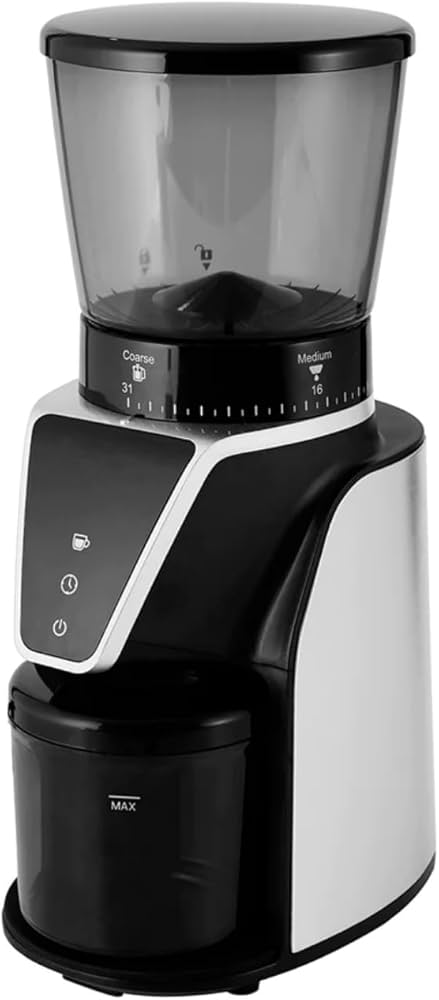
Coffee Grinder vs. Spice Grinder: Understanding the Differences
It’s easy to assume that any grinder can handle both coffee beans and spices, but there are subtle yet crucial differences. Historically, grinders were designed for one purpose. Coffee grinders prioritize a consistent particle size for optimal extraction in brewing, while spice grinders often focus on robustness to handle tough spices and the ability to achieve fine powders.
There are primarily two types of grinders:
- Blade Grinders: These operate more like blenders, using a rapidly spinning blade to chop ingredients. They are typically more affordable and faster. However, blade grinders can produce an inconsistent grind, with some particles being very fine dust and others still quite coarse. The friction from the blades can also generate heat, which might prematurely release volatile oils, affecting the flavor of both coffee and delicate spices.
- Burr Grinders: These are the gold standard for coffee enthusiasts. Burr grinders use two abrasive surfaces (burrs) that crush and mill ingredients to a precise, uniform size. This consistency is vital for coffee extraction. For spices, burr grinders can produce a beautifully even powder, maximizing flavor release. However, they are generally more expensive and can be more challenging to clean thoroughly, especially if using a single grinder for both coffee and spices.
The biggest caveat when considering a dual-purpose grinder is flavor contamination. Both coffee beans and spices contain essential oils that can linger in the grinder’s chamber, blades, or burrs. Without meticulous cleaning, the robust flavor of your morning espresso might carry a hint of cumin from yesterday’s curry, or your delicate chai spices could have an unwanted coffee undertone.
Can You Use a Coffee Grinder for Spices? The “Yes, But…”
The short answer is: yes, you can use a coffee grinder for spices, but with some important considerations. Many grinders on the market are explicitly labeled as “coffee and spice grinders,” acknowledging this common desire for versatility.
- When it works: A blade grinder can be a suitable option for grinding dry, whole spices if you’re diligent about cleaning. They are generally easier to wipe out compared to burr grinders. Some multi-purpose grinders come with removable, dishwasher-safe grinding cups, which are a game-changer for preventing flavor cross-contamination.
- When to be cautious: Oily spices, like cloves or star anise, can leave stubborn residues. If you’re using a burr grinder primarily for coffee, introducing strong spices can be problematic due to the intricate design of the burrs, making deep cleaning a laborious task. Many experts recommend having a dedicated grinder for coffee and a separate one for spices if you want to avoid flavor clashes entirely.
|
Our Picks for the Best Coffee Grinder in 2026
As an Amazon Associate I earn from qualifying purchases.
|
||
| Num | Product | Action |
|---|---|---|
| 1 | Amazon Basics Electric Coffee Grinder, Coffee Bean and Spice Grinder, With Heavy-Duty Stainless Steel Grind Blades |

|
| 2 | Cuisinart Coffee Grinder, Electric One-Touch Automatic Burr Coffee Grinder with 18-Position Grind Selector, Cup Size Selector for 4 – 18 Cups, DBM-8P1, Black Stainless |
|
| 3 | OXO Brew Conical Burr Coffee Grinder - Silver, Stainless Steel Burrs, One-Touch Automatic Smart Grind |
|
| 4 | Touch&Match On-Demand Coffee Grinder, Professional Burr Grinder Made in Italy with Touch Screen, Precise Settings for Espresso, Moka, Filter & Americano, Fresh Grinding |
|
| 5 | Hamilton Beach Fresh Grind Electric Coffee Grinder for Beans, Spices and More, Stainless Steel Blades, Removable Chamber, Makes up to 12 Cups, Black |
|
| 6 | Amazon Basics Electric Coffee Grinder, Coffee Bean and Spice Grinder, With Heavy-Duty Stainless Steel Grind Blades |
|
| 7 | BLACK+DECKER One Touch Coffee Grinder, 2/3 Cup Coffee Bean Capacity, Spice Grinder, One Touch Push-Button Control -150 Watts -Stainless Steel Blades |
|
| 8 | BLACK+DECKER One Touch Coffee Grinder, 2/3 Cup Coffee Bean Capacity, Spice Grinder, One Touch Push-Button Control -150 Watts -Stainless Steel Blades |
|
| 9 | Fellow Gen 2 Ode Brew Grinder - Burr, Electric Coffee Bean Grinder with 31 Settings for Drip, French Press & Cold Brew - Small Footprint - Matte Black |
|
| 10 | Electric Coffee Grinder, Conical Burr Grinder with 17 Precise Settings, 10oz Capacity, Quiet Operation, Automatic Shut-Off for Espresso, French Press, Cold Brew & Drip Coffee |
|
Choosing Your Ideal Coffee and Spice Grinder
Selecting the right grinder involves balancing your needs for both coffee and spices. Here are key factors to consider:
- Type of Grinder (Blade vs. Burr): While burr grinders are superior for coffee consistency, a good quality blade grinder with strong blades can handle a variety of dry spices effectively. For dual use, a blade grinder is often more practical due to easier cleaning. However, some advanced models offer specialized burr sets for both, or easily interchangeable chambers.
- Cleaning Convenience: This is paramount for a dual-purpose machine. Look for models with removable grinding bowls or chambers that are dishwasher-safe. Some designs feature a fixed cup, which means more manual wiping and brushing.
- Capacity and Power: Consider how much coffee or how many spices you typically grind at once. Larger capacities are great for batch grinding spices or preparing coffee for a crowd. A powerful motor ensures it can tackle harder spices like peppercorns and cinnamon sticks without struggling.
- Dedicated Bowls vs. Single Bowl: Some of the best multi-purpose grinders, like the Secura Electric Coffee and Spice Grinder or certain KitchenAid models, offer two separate milling bowls – one for dry ingredients (coffee, dry spices) and another, often with four blades, for wet ingredients (herbs, garlic, some nuts). This effectively eliminates cross-contamination and makes cleaning a breeze.
- Durability and Materials: Stainless steel blades and bowls are common for durability and ease of cleaning. If opting for a burr grinder, ceramic burrs are a good choice as they don’t absorb flavors and are durable.
Top Picks for Multi-Purpose Grinders
Based on their versatility and features, here are a few types of grinders often lauded for their coffee and spice grinding capabilities:
- Krups Fast Touch Electric Coffee and Spice Grinder: A popular and budget-friendly blade grinder known for its efficiency with both coffee and dry spices. It’s lauded for its simple operation and quick results.
- Cuisinart Electric Spice and Nut Grinder: Often praised for its powerful motor and user-friendly design. A key feature is its removable, dishwasher-safe grinding cup which significantly simplifies cleaning and flavor prevention. It often comes with a lid for storing freshly ground spices.
- Secura Electric Coffee and Spice Grinder: This model stands out by frequently offering two separate grinding bowls, addressing the cross-contamination concern head-on. One bowl is typically for dry ingredients and another for wet.
- KitchenAid Blade Grinder: Another option that often comes with multiple, removable stainless steel bowls, making it versatile for various grinding tasks and easy to clean.
Mastering Your Grinder: Tips for Optimal Use and Maintenance
To truly get the most out of your coffee and spice grinder, follow these guidelines:
For Coffee:
- Start with Fresh Beans: Always grind whole beans just before brewing for the best flavor.
- Match Grind to Brew Method: Adjust your grind setting according to your brewing method (e.g., fine for espresso, medium for drip, coarse for French press).
- Don’t Overfill: Grinding in smaller batches often yields a more consistent result.
For Spices:
- Dry Spices Only: Ensure your spices are completely dry. Wet or oily spices can clump and be difficult to grind evenly.
- Use the Pulse Function: For blade grinders, short pulses prevent overheating and give you more control over the grind consistency, preventing fine dust.
- Grind Tough Spices First: Harder spices like star anise or peppercorns might benefit from a slightly longer grind or being ground before softer spices.
Cleaning and Preventing Cross-Contamination:
- Immediate Cleaning is Key: Clean your grinder immediately after use, especially if switching between coffee and spices.
- The “Rice Trick”: For blade grinders, grinding a small amount of uncooked rice can help absorb residual oils and dislodge fine particles. Follow this with a thorough wipe-down.
- Wipe Down: Use a damp cloth to wipe down the inside of the grinding chamber and lid. For burr grinders, use a stiff brush to clear grounds from the burrs.
- Wash Removable Parts: If your grinder has removable, dishwasher-safe bowls, use this feature to your advantage for deep cleaning.
“While convenience is tempting, understanding your grinder’s capabilities and maintaining strict cleaning protocols are paramount to prevent a cardamom-infused espresso or a cumin-scented latte. Or worse, a coffee-flavored curry!” advises Chef Isabella Rossi, a renowned culinary and coffee expert.
The Impact of Grind Fineness on Flavor
The fineness of your grind is not just about preference; it’s a science that directly impacts flavor.
- For Coffee: A consistent grind size ensures uniform extraction of solubles, leading to a balanced and delicious cup. Too fine a grind can lead to over-extraction and bitterness, while too coarse can result in under-extraction and a weak, sour taste. Different brewing methods demand specific grind sizes to achieve optimal flavor.
- For Spices: Grinding spices increases their surface area, allowing their volatile oils to be released more readily. This enhances their aroma and potency in your cooking. Achieving a specific fineness allows you to control the intensity and texture of the spice in your dish, from a fine powder for rubs and curries to a coarser grind for texture and visual appeal.
Frequently Asked Questions (FAQ)
Q: Is it really okay to use one grinder for both coffee and spices?
A: While possible, it’s generally recommended to have separate grinders or a model with dedicated, easily cleanable bowls if you want to completely avoid flavor cross-contamination. Many “coffee and spice grinders” are designed to minimize this issue, particularly those with removable, dishwasher-safe cups.
Q: How do I clean my grinder after grinding spices?
A: For blade grinders, grind a small amount of uncooked rice to absorb oils and dislodge particles, then wipe thoroughly with a damp cloth. For burr grinders, use a stiff brush and if possible, wash any removable burr sets according to manufacturer instructions. Immediate cleaning is crucial.
Q: What’s the best type of grinder for both coffee and spices?
A: For versatility and ease of cleaning when used for both, a quality blade grinder with a powerful motor and, ideally, a removable, dishwasher-safe cup is often recommended. If you prioritize coffee quality above all, a burr grinder is best for coffee, but you might want a separate blade grinder for spices.
Q: Can I grind oily spices like cloves or nuts in my coffee grinder?
A: You can, but be extra cautious. Oily spices and nuts leave more residue, increasing the risk of flavor transfer. If your grinder has removable, washable bowls, it’s less of a concern. Otherwise, be prepared for a very thorough cleaning afterward.
Q: How often should I clean my coffee and spice grinder?
A: Ideally, clean it after every use, especially when switching between coffee and spices. A quick wipe-down or rinse of removable parts (if applicable) is usually sufficient for daily maintenance, with a deeper clean periodically.
Conclusion
The coffee and spice grinder can be an incredibly valuable addition to any kitchen, unlocking a world of fresh flavors for both your daily brew and your culinary creations. By understanding the nuances between blade and burr grinders, prioritizing easy-to-clean designs, and committing to proper maintenance, you can confidently wield this powerful tool. Whether you opt for a dedicated multi-purpose unit with separate bowls or manage a single grinder with meticulous cleaning, the journey to fresher, more aromatic coffee and spices is well worth the effort. So go ahead, experiment, and savor the rich, complex flavors that only freshly ground ingredients can provide.