For any home barista, the quest for the perfect espresso shot often begins with the machine, but it truly culminates with the grinder. A truly exceptional coffee grinder for espresso isn’t just another gadget on your counter; it’s the meticulous heart of your brew, dictating the very soul of your morning ritual. Without a precise, consistent grind, even the most expensive espresso machine will struggle to deliver that rich, aromatic, crema-topped perfection we all crave. This guide will walk you through everything you need to know to select the best coffee grinder for espresso, transforming your home coffee experience from good to extraordinary.
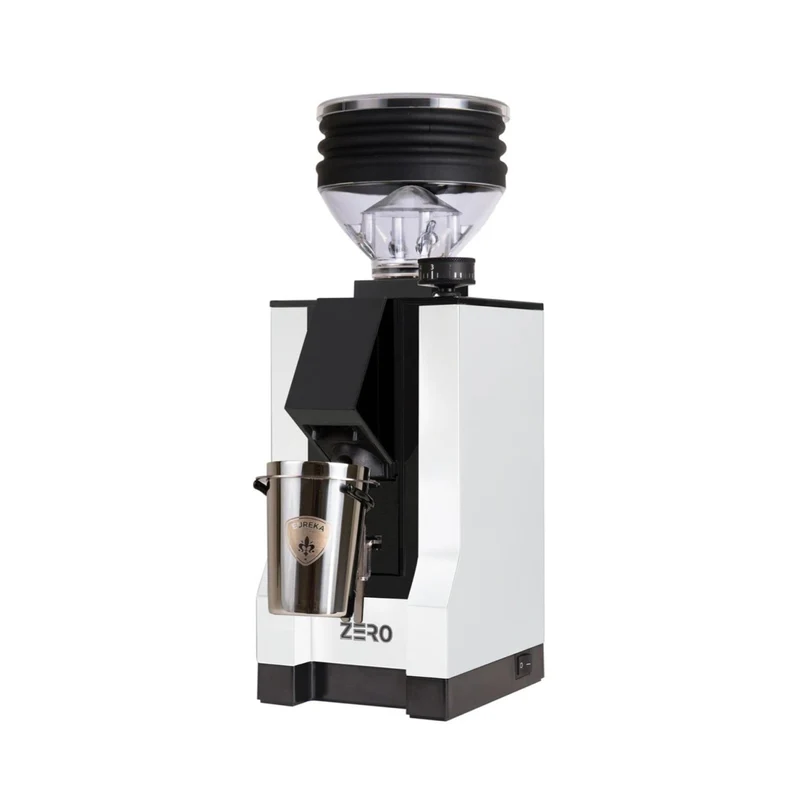
Understanding Espresso Grinders: The Heart of Your Brew
Forget those old blade grinders – they violently chop beans into an uneven mess, perfect for a dusty, bitter brew, but utterly disastrous for espresso. Espresso demands uniformity, a consistent particle size that allows hot water to extract evenly, pulling out all the nuanced flavors without over-extracting some parts and under-extracting others. This is why a burr grinder is non-negotiable for espresso.
Why Grind Consistency Matters for Espresso
Imagine trying to bake a cake where some flour is finely powdered and some is chunky. The result would be uneven, right? The same principle applies to espresso. When your coffee grounds are consistent, water flows through them uniformly, extracting flavors smoothly. If you have a mix of fine dust and coarse boulders, the water will rush through the coarse bits (under-extraction) and get bogged down in the fine dust (over-extraction), leading to a muddy, unbalanced shot. The best coffee grinder for espresso provides that critical consistency, ensuring every particle plays its part in creating a harmonious, delicious drink.
Burr Grinders vs. Blade Grinders (and why blades are a no-go)
As mentioned, blade grinders are essentially blenders for coffee, hacking beans into random sizes. They generate heat and friction, stripping your precious beans of their volatile aromatics before they even touch water. Burr grinders, on the other hand, use two abrasive surfaces—burrs—to mill coffee beans to a precise, consistent size. This gentle, uniform crushing process preserves the coffee’s delicate oils and flavors, which is paramount for a complex espresso shot. When considering any coffee grinder for espresso, always prioritize a burr grinder.
Conical vs. Flat Burrs: Which is Right for Your Palate?
Once you’ve settled on a burr grinder, the next big decision is choosing between conical and flat burrs. Both have their devotees, and each offers a slightly different flavor experience.
Conical Burr Grinders: The Traditionalist’s Choice
Conical burrs feature two cone-shaped burrs—one inverted, fitting inside the other—that grind coffee as beans fall between them. These grinders typically produce what’s known as a bimodal particle distribution, meaning there’s a mix of slightly different particle sizes. Many espresso aficionados find this results in a richer, more traditional espresso shot with a heavier body and a luscious, thick crema. They tend to operate quieter and generate less heat, making them a popular choice for home setups, especially if you prefer medium to dark roasted beans and classic espresso flavors.
Flat Burr Grinders: For Clarity and Brightness
Flat burr grinders feature two parallel, flat abrasive discs that grind the coffee as it passes between them. These tend to produce a highly uniform, unimodal particle distribution. For many, this translates to superior flavor separation and brightness in the cup, allowing individual notes of the coffee to shine through with remarkable clarity. If you’re into lighter roast espressos or single-origin beans where you want to discern every delicate nuance, a flat burr grinder might be your ideal companion. They can sometimes be a bit louder and generate a little more heat than conical burrs, but the clarity in the final cup is often worth it for enthusiasts.
Key Features to Look for in an Espresso Grinder
Beyond burr type, several other features can significantly impact your espresso-making journey.
Micro-Adjustments: Dialing in Perfection
Espresso is incredibly sensitive to grind size. Even a tiny adjustment can dramatically change your shot. The best coffee grinder for espresso will offer very fine, stepless (continuous) or micro-stepped adjustments. This allows you to “dial in” your grind with pinpoint precision, finding that sweet spot where your espresso machine extracts perfectly, yielding optimal flavor and a golden stream of crema. A grinder with too few adjustment steps can leave you frustrated, chasing an elusive perfect shot.
Dose Consistency and Retention (Single Dosing Benefits)
Dose consistency means the grinder delivers the same amount of coffee each time. For espresso, this is crucial for repeatability. Many modern grinders also focus on low retention, meaning very little ground coffee is left inside the grinder after each use. This is particularly important for single dosing, a technique where you weigh out fresh beans for each shot, ensuring absolute freshness and preventing stale grounds from contaminating your next brew. A good grinder for single dosing will have minimal retention and be designed for easy bean loading and ground coffee dispensing.
Build Quality and Durability
A coffee grinder for espresso is an investment. Look for sturdy construction, durable materials like metal housing, and high-quality burrs. A robust build not only ensures longevity but also contributes to grind consistency by minimizing vibrations and movement during operation.
Ease of Cleaning and Maintenance
Regular cleaning is vital for maintaining grind quality and extending your grinder’s lifespan. An espresso grinder that’s easy to disassemble and clean will make this task less of a chore, ensuring your coffee always tastes its best. Look for models with easily removable burrs and minimal nooks and crannies where old coffee grounds can accumulate.
Finding Your Perfect Match: Top Espresso Grinders for Every Budget
The market offers a fantastic range of espresso grinders, catering to every budget and expertise level. Here’s a quick overview of some top contenders.
Entry-Level Excellence (Under $500)
If you’re just starting your espresso journey, you don’t need to break the bank for a quality grinder. The Baratza Encore ESP is a beloved entry-level option, offering excellent grind consistency and user-friendliness for its price point. The Sage Smart Grinder Pro (known as Breville Smart Grinder Pro in some regions) also provides great value, with a decent range of settings and programmable dosing. For those looking for a stylish and capable all-rounder, the Fellow Opus has gained popularity for its espresso capabilities and sleek design. The Turin DF64 Gen 2 is another standout, particularly for those seeking flat burr performance at an accessible price. And the Eureka Mignon Silenzio offers a compact, quiet option that delivers reliable performance. These grinders are fantastic starting points for aspiring home baristas.
Mid-Range Marvels ($500-$900)
Stepping up in price, you’ll find grinders that offer enhanced precision, speed, and features. The Eureka Mignon Specialità is a crowd favorite, renowned for its quiet operation, consistent grind, and user-friendly interface with programmable doses. The Turin DF83 provides robust single-dosing capabilities with larger burrs for serious enthusiasts. These machines often deliver professional-grade performance suitable for a more discerning home barista.
High-End Heroes (Above $900)
For those pursuing the absolute pinnacle of home espresso, high-end grinders like the Lelit William or the Rocket Giannino offer uncompromising performance. These machines typically feature larger, more powerful motors, advanced burr geometries, and exceptional build quality designed for maximum precision, minimal retention, and unparalleled flavor extraction.
|
Our Picks for the Best Coffee Grinder in 2026
As an Amazon Associate I earn from qualifying purchases.
|
||
| Num | Product | Action |
|---|---|---|
| 1 | Amazon Basics Electric Coffee Grinder, Coffee Bean and Spice Grinder, With Heavy-Duty Stainless Steel Grind Blades |

|
| 2 | Cuisinart Coffee Grinder, Electric One-Touch Automatic Burr Coffee Grinder with 18-Position Grind Selector, Cup Size Selector for 4 – 18 Cups, DBM-8P1, Black Stainless |
|
| 3 | Fellow Gen 2 Ode Brew Grinder - Burr, Electric Coffee Bean Grinder with 31 Settings for Drip, French Press & Cold Brew - Small Footprint - Matte Black |
|
| 4 | Electric Coffee Grinder, Conical Burr Grinder with 17 Precise Settings, 10oz Capacity, Quiet Operation, Automatic Shut-Off for Espresso, French Press, Cold Brew & Drip Coffee |
|
| 5 | BLACK+DECKER One Touch Coffee Grinder, 2/3 Cup Coffee Bean Capacity, Spice Grinder, One Touch Push-Button Control -150 Watts -Stainless Steel Blades |
|
| 6 | Hamilton Beach Fresh Grind Electric Coffee Grinder for Beans, Spices and More, Stainless Steel Blades, Removable Chamber, Makes up to 12 Cups, Black |
|
| 7 | BLACK+DECKER One Touch Coffee Grinder, 2/3 Cup Coffee Bean Capacity, Spice Grinder, One Touch Push-Button Control -150 Watts -Stainless Steel Blades |
|
| 8 | OXO Brew Conical Burr Coffee Grinder - Silver, Stainless Steel Burrs, One-Touch Automatic Smart Grind |
|
| 9 | Amazon Basics Electric Coffee Grinder, Coffee Bean and Spice Grinder, With Heavy-Duty Stainless Steel Grind Blades |
|
| 10 | Touch&Match On-Demand Coffee Grinder, Professional Burr Grinder Made in Italy with Touch Screen, Precise Settings for Espresso, Moka, Filter & Americano, Fresh Grinding |
|
Grind Size and Extraction: A Symphony of Flavor
The relationship between your grind size and espresso extraction is a delicate dance. Getting it right is key to a flavorful cup.
How Grind Fineness Impacts Shot Time and Taste
Think of grind size as a valve controlling water flow. A grind that’s too coarse will allow water to rush through too quickly, resulting in an “under-extracted” shot that tastes sour, watery, and lacks body. On the flip side, a grind that’s too fine will restrict water flow, leading to a long, slow “over-extracted” shot that tastes bitter, harsh, and ashy. The ideal espresso grind is fine enough to create resistance for the water, typically resulting in a shot that pulls between 25-30 seconds for 1:2 ratio (e.g., 18g coffee to 36g espresso).
Tips for Adjusting Your Grind
- Start Coarser: When dialing in a new bean, it’s often easier to start slightly coarser than you think and gradually go finer.
- Observe Your Shot: Watch the flow—is it a steady, honey-like stream? Is it spurting (too coarse) or dripping (too fine)?
- Taste Test: Ultimately, your taste buds are the final arbiter. Don’t be afraid to experiment to find what you like best.
Expert Advice: Keeping Your Grinder in Top Shape
A great grinder is an investment, and like any fine instrument, it needs care. “Regular maintenance isn’t just about prolonging your grinder’s life; it’s about preserving the integrity of your coffee’s flavor,” advises Dr. Eleanor Vance, a renowned coffee technologist and advocate for meticulous brewing. “Stale oils and old grounds can quickly turn a premium bean into a mediocre brew.”
Regular Cleaning Rituals
Make it a habit to brush out your grinder’s chute and burrs weekly. Deep cleaning, involving a partial disassembly to thoroughly clean the burrs and grinding chamber, should be done monthly or every few weeks, depending on usage. Grind cleaning tablets can also be a convenient way to remove coffee oils and debris without full disassembly.
When to Replace Burrs
Over time, burrs dull, losing their sharp edges and impacting grind consistency. This usually manifests as slower grinding, increased fines, and a noticeable degradation in espresso quality (e.g., more channeling, bitter shots). The lifespan of burrs varies depending on material and usage, but typically, steel burrs might last for several hundred kilograms of coffee, while ceramic burrs can last even longer. Pay attention to your espresso’s taste and your grinder’s performance; when in doubt, consult your grinder’s manufacturer guidelines.
Frequently Asked Questions about Espresso Grinders
How fine should espresso grind be?
The ideal espresso grind is very fine, often described as similar to powdered sugar or table salt, but critically, it must be uniform. The exact fineness depends on your machine, coffee beans, and desired shot time, requiring micro-adjustments to achieve perfect extraction.
Can I use a regular coffee grinder for espresso?
Generally, no. Regular blade grinders produce inconsistent particles unsuitable for espresso. While some entry-level burr grinders might work for pressurized portafilters, a dedicated espresso burr grinder with micro-adjustments is essential for true espresso quality.
What’s the difference between conical and flat burrs?
Conical burrs often produce a bimodal grind, yielding a richer, more traditional espresso with heavy body and crema. Flat burrs typically create a highly uniform grind, leading to greater clarity, brightness, and flavor separation, especially good for lighter roasts.
How often should I clean my espresso grinder?
A light cleaning (brushing out the chute) should be done weekly, and a deeper clean, involving partial disassembly, should ideally occur monthly or every few weeks to prevent oil buildup and maintain grind quality.
Is single dosing important for espresso?
Single dosing, where you weigh fresh beans for each shot, minimizes retention of stale coffee in the grinder, ensuring every shot is made with the freshest grounds possible. This is particularly important for maximizing flavor and consistency in espresso.
What budget should I set for an espresso grinder?
For a quality espresso grinder, expect to invest anywhere from $200-$300 for a solid entry-level option, $500-$900 for mid-range models offering more features and consistency, and over $900 for high-end, professional-grade performance.
Do expensive grinders really make a difference?
Yes, more expensive grinders typically offer superior burr quality, more precise grind adjustments (micro-steps or stepless), better build materials, lower retention, and quieter operation, all of which contribute significantly to the quality and consistency of your espresso shots.
Conclusion
The journey to crafting the perfect espresso shot is a rewarding one, and at its core lies the importance of a quality grinder. Choosing the best coffee grinder for espresso isn’t merely about buying a device; it’s about investing in the foundation of your coffee experience. Whether you opt for the robust body of a conical burr or the vibrant clarity of a flat burr, prioritize consistency, precision, and durability. With the right grinder by your side, you’ll unlock the full potential of your coffee beans, elevate your home barista skills, and consistently pull shots that rival your favorite cafe. So go ahead, embrace the grind, and prepare to truly taste the difference in every rich, aromatic sip of your espresso.