There’s nothing quite like the invigorating aroma of freshly ground coffee beans to kickstart your day. It’s a ritual, a moment of anticipation before that first glorious sip. But for many of us, that serene morning moment is often shattered by a harsh, ear-splitting whir – the sound of a coffee grinder roaring to life. If you’ve ever cringed at the thought of waking the entire household just for your morning brew, you’re not alone. The quest for a truly Quiet Coffee Grinder is real, and it’s driven by a desire for peace, not just perfection, in our daily coffee routine.
At “Góc Xay Cafe,” we believe your pursuit of exceptional coffee shouldn’t come at the cost of your morning tranquility. A quiet coffee grinder promises that fresh, aromatic experience without the disruptive noise, allowing you to savor the quiet moments before the day truly begins.
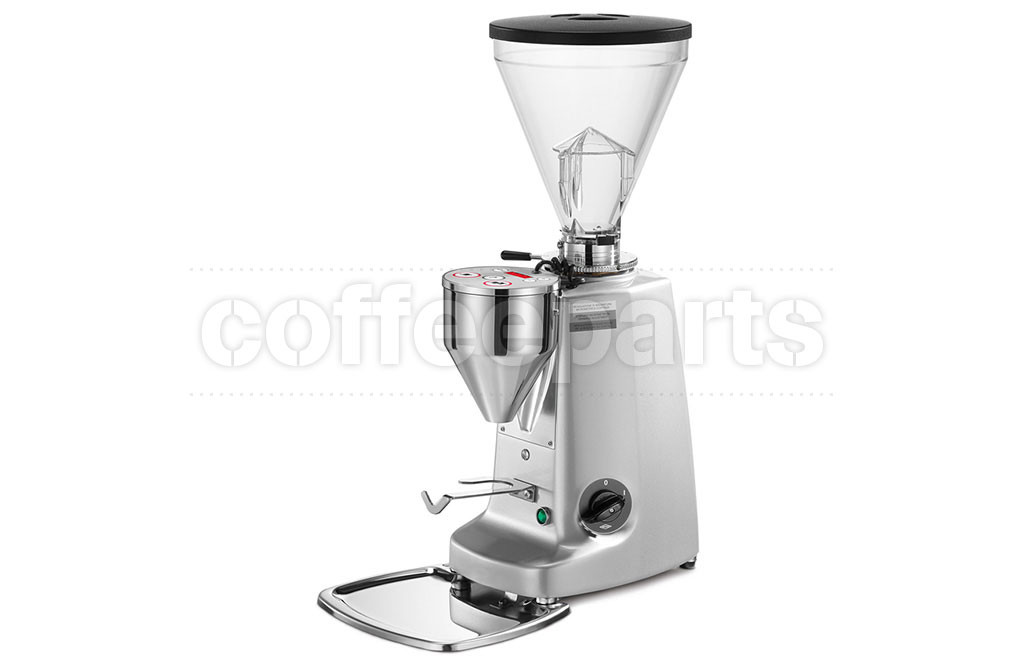
Why a Quiet Coffee Grinder Matters More Than You Think
Imagine gently tiptoeing into the kitchen, the world still slumbering, ready to brew your perfect cup. With a quiet coffee grinder, this dream becomes a reality. The most immediate benefit is, of course, avoiding disturbances. No more waking up sleeping family members or startling pets with a sudden, loud grinding session. This makes a quiet grinder an absolute game-changer for early risers, apartment dwellers, or anyone living in close quarters.
Beyond the immediate silence, a quiet grinding experience subtly enhances your entire coffee ritual. It transforms a potentially jarring task into a more mindful and enjoyable part of your day, allowing you to focus on the sensory experience of coffee preparation, from the visual appeal of the beans to their rich aroma. It’s about creating a harmonious start, where the only thing brewing is your perfect cup, not a racket.
Understanding Coffee Grinder Noise: Where Does it Come From?
Before we dive into quiet solutions, it helps to understand why coffee grinders are often so loud. The primary sources of noise typically stem from a few key areas:
- The Motor and Moving Parts: Electric grinders house powerful motors that spin the burrs or blades at high speeds. These motors, especially those that are less insulated or operate at high RPMs, generate significant noise. Vibrations from the motor can also transmit through the grinder’s housing and the countertop, amplifying the sound.
- Friction Between Beans and Burrs/Blades: As coffee beans are pulverized, friction is created. The collision of hard beans against metal burrs or rapidly spinning blades, combined with the cracking and breaking of the beans themselves, contributes significantly to the grinding sound.
- Material and Construction: The overall build quality and materials play a huge role. Flimsier plastics can vibrate more, while robust, well-dampened housings can absorb sound. Hard surfaces like granite countertops can also reflect and amplify sound waves, making the grinding seem louder than it is.
Types of Quiet Coffee Grinders
Not all grinders are created equal when it comes to decibel levels. Understanding the different types can guide you toward a quieter brewing experience.
Manual Grinders: The Whisper-Quiet Champion
If absolute silence is your top priority, a manual coffee grinder is virtually unbeatable. Since there’s no electric motor, the only sounds you’ll hear are the gentle crunch of the beans being processed by the burrs. This provides a wonderfully tactile and meditative experience, allowing you to connect with your coffee in a unique way. Manual grinders like the Hario Ceramic Coffee Mill are often highlighted for their quiet operation and precision, especially for pour-over coffee. They’re also portable and budget-friendly, making them a fantastic choice for quiet mornings or travel.
Electric Burr Grinders: Balancing Power with Peace
Electric burr grinders are generally preferred for their convenience and consistent grind quality. Within this category, noise levels can vary greatly.
- Conical Burr Grinders: Many conical burr grinders tend to be quieter than flat burr models. This is often attributed to their slower rotation speeds and the way they efficiently cut the beans, rather than pulverizing them at high speed. Large conical burrs, in particular, operate at lower RPMs, contributing to less noise and a deeper, less irritating pitch.
- Flat Burr Grinders: While some flat burr grinders can be quite loud, advancements in design have led to quieter options. Models featuring large, high-quality flat burrs, such as the Rancilio Rocky, can operate with less rattling and produce a deeper, less disruptive grinding sound.
- Motor Design and Housing: Look for electric grinders that specifically mention sound dampening technology, gear reduction motors, or low-RPM designs. These features are engineered to minimize vibration and motor noise, creating a noticeably quieter grind. The Eureka Mignon Silenzio, for example, is lauded for its advanced soundproofing.
Blade Grinders: The Loud Exceptions
Blade grinders, which operate more like blenders, are typically the loudest type of coffee grinder. They chop beans inconsistently at extremely high RPMs, producing a high-pitched scream that can be quite jarring. While some models, like the Krups Silent Vortex, are marketed as “quiet blade grinders,” they generally don’t offer the grind consistency or low noise levels of a good burr grinder. For quality and quietness, burr grinders are almost always the superior choice.
Key Features to Look for in a Quiet Coffee Grinder
When you’re ready to invest in a quiet coffee grinder, keep an eye out for these features that contribute to a more peaceful brewing experience:
- Burr Type and Material: Conical burrs, especially ceramic or high-quality stainless steel, are often a good starting point for quiet operation. Ceramic burrs, while potentially creating a different sound frequency than steel, can be perceived as less intrusive by some.
- Motor Design: Grinders with low-RPM (revolutions per minute) motors or gear reduction systems will inherently produce less noise because the motor isn’t working as hard or spinning as fast. This also often means less heat buildup, which can preserve coffee flavor.
- Robust Construction and Sound Dampening: Look for grinders built with sturdy materials and thoughtful design. Rubber isolation mounts, anti-static chutes, tight tolerances, and a heavy, rigid build all help to absorb vibrations and suppress sound before it escapes. Some premium models even incorporate internal soundproofing materials.
- Adjustable Grind Settings: While not directly tied to quietness, precise grind settings are crucial for achieving the perfect cup. A good quiet grinder shouldn’t compromise on versatility, allowing you to switch from fine espresso to coarse French press grinds with ease.
Top Picks: Our Favorite Quiet Coffee Grinders for a Peaceful Brew
Finding the “quietest” grinder can be subjective, as perceived noise levels vary. However, several models consistently earn praise for their remarkably quiet operation and excellent grind quality.
For those embracing the meditative calm of manual brewing, the Hario Ceramic Coffee Mill stands out. It’s truly silent, save for the gentle crackle of beans, and offers superb grind consistency for various brew methods.
If you prefer the convenience of electric grinding, the Capresso Infinity Conical Burr Grinder is a consistent favorite. Its gear reduction motor grinds slowly and quietly, minimizing friction and heat to preserve flavor and aroma. Another excellent option is the Fellow Opus Conical Burr Grinder, which balances barista-level control with a surprisingly tame sound profile for an electric unit, offering over 41 grind settings. The KitchenAid Burr Coffee Grinder also earns top marks for its quiet performance in an electric unit, featuring durable stainless steel burrs and 15 grind variations while keeping noise to a hush. For those seeking professional-grade performance with minimal disruption, the Eureka Mignon Silenzio is explicitly designed with advanced soundproofing technology, making it a standout choice.
Making Your Current Grinder Quieter: Practical Tips and Tricks
Even if you’re not ready to buy a new grinder, there are several effective strategies to reduce the noise of your existing one:
- Placement Matters: Use Sound-Absorbing Mats: This is perhaps the simplest and most effective trick. Placing your grinder on a silicone mat, a thick folded towel, or a rubber pad can dramatically reduce vibrations transferred to your countertop, which often amplifies the grinding sound.
- Grind in Short Bursts, Not Continuously: Instead of holding down the button for one long, noisy grind, try pulsing your grinder in short bursts. This can reduce the sustained noise exposure and may also prevent the motor from overheating.
- Regular Cleaning and Maintenance: A well-maintained grinder is a quieter grinder. Accumulated coffee oils, dust, and old grounds can increase resistance on the burrs, forcing the motor to work harder and louder. Regular cleaning of the burrs and internal components can reduce operational noise by 20-30%.
- Consider a Cover or Enclosure: For electric grinders, a simple cover made of silicone or padded fabric can help muffle the sound. Some enthusiasts even build custom sound-dampening enclosures, often lined with acoustic foam, to contain the noise.
- Grind Smaller Batches: Overloading your grinder forces the motor to strain, leading to more noise. Grinding smaller quantities of beans at a time can reduce this strain and, consequently, the noise level.
- Store Beans at Room Temperature: Very cold or frozen beans are harder and require more effort to grind, which can increase noise. Storing your beans at a consistent room temperature can make the grinding process smoother and quieter.
The Impact of Grind Size on Flavor and Noise
The fineness of your coffee grind is paramount to the flavor of your brew. Espresso requires a very fine, almost powdery grind, while French press calls for a coarse, chunky consistency. Interestingly, grind size can also affect noise levels. Coarser grind settings typically require less grinding time and motor effort, often resulting in a slightly quieter operation compared to fine grinds. While you shouldn’t choose a grind size based solely on noise, it’s a factor to be aware of.
Choosing the Right Quiet Grinder for Your Lifestyle
Selecting the perfect quiet coffee grinder involves a blend of personal preference, brewing habits, and lifestyle considerations.
- Brew Method: If you’re an espresso aficionado, precision and fine grind settings will be crucial, so look for quiet burr grinders designed for this. For pour-over or French press, consistency at medium to coarse settings is key.
- Budget vs. Performance: Manual grinders offer excellent quiet performance on a budget. Electric options come with a wider price range, with higher-end models often featuring advanced noise-reduction technology.
- Counter Space: Consider the footprint of the grinder. Some powerful, quiet grinders can be quite bulky.
- Daily Routine: If you truly value those silent morning hours, prioritizing a quiet model, or even a manual grinder, will significantly enhance your daily coffee ritual.
As Evelyn Reed, a seasoned barista and owner of “The Daily Grind” cafe, often says, “The first sound of your day shouldn’t be a jarring roar, but the subtle promise of a perfect cup. A quiet grinder isn’t just about less noise; it’s about more harmony in your morning, setting the tone for a truly great day.”
|
Our Picks for the Best Coffee Grinder in 2026
As an Amazon Associate I earn from qualifying purchases.
|
||
| Num | Product | Action |
|---|---|---|
| 1 | Fellow Gen 2 Ode Brew Grinder - Burr, Electric Coffee Bean Grinder with 31 Settings for Drip, French Press & Cold Brew - Small Footprint - Matte Black |

|
| 2 | Touch&Match On-Demand Coffee Grinder, Professional Burr Grinder Made in Italy with Touch Screen, Precise Settings for Espresso, Moka, Filter & Americano, Fresh Grinding |
|
| 3 | Amazon Basics Electric Coffee Grinder, Coffee Bean and Spice Grinder, With Heavy-Duty Stainless Steel Grind Blades |
|
| 4 | Hamilton Beach Fresh Grind Electric Coffee Grinder for Beans, Spices and More, Stainless Steel Blades, Removable Chamber, Makes up to 12 Cups, Black |
|
| 5 | Amazon Basics Electric Coffee Grinder, Coffee Bean and Spice Grinder, With Heavy-Duty Stainless Steel Grind Blades |
|
| 6 | BLACK+DECKER One Touch Coffee Grinder, 2/3 Cup Coffee Bean Capacity, Spice Grinder, One Touch Push-Button Control -150 Watts -Stainless Steel Blades |
|
| 7 | Cuisinart Coffee Grinder, Electric One-Touch Automatic Burr Coffee Grinder with 18-Position Grind Selector, Cup Size Selector for 4 – 18 Cups, DBM-8P1, Black Stainless |
|
| 8 | OXO Brew Conical Burr Coffee Grinder - Silver, Stainless Steel Burrs, One-Touch Automatic Smart Grind |
|
| 9 | Electric Coffee Grinder, Conical Burr Grinder with 17 Precise Settings, 10oz Capacity, Quiet Operation, Automatic Shut-Off for Espresso, French Press, Cold Brew & Drip Coffee |
|
| 10 | BLACK+DECKER One Touch Coffee Grinder, 2/3 Cup Coffee Bean Capacity, Spice Grinder, One Touch Push-Button Control -150 Watts -Stainless Steel Blades |
|
Frequently Asked Questions
Are manual grinders truly silent?
Manual grinders are generally considered the quietest option available. While not absolutely “silent” as you’ll still hear the beans cracking, they lack the loud motor noise of electric grinders, making them ideal for peaceful mornings.
Do burr grinders make less noise than blade grinders?
Yes, typically, burr grinders are significantly quieter than blade grinders. Blade grinders operate at very high speeds, chopping beans erratically and producing a high-pitched, disruptive noise. Burr grinders, especially conical burr types, use a grinding mechanism that generates less noise.
What decibel level is considered “quiet” for a coffee grinder?
While “quiet” is somewhat subjective, many household appliances operate around 60-70 dB. Grinders that fall into the 70-80 dB range are often considered quiet for an electric unit, especially when compared to noisier models that can exceed 90 dB. Some manual grinders produce even lower decibel levels, primarily from the beans themselves.
How often should I clean my grinder to keep it quiet?
Regular cleaning is crucial for maintaining quiet operation. Aim for a quick brush-down daily, and a more thorough cleaning (disassembling burrs and removing residue) weekly or bi-weekly, depending on usage. Clean burrs reduce grinding resistance and motor strain, which in turn reduces noise.
Can I use soundproofing materials to quiet my grinder?
Yes, you can. Placing your grinder on a sound-absorbing mat made of silicone or rubber is a simple and effective method to dampen vibrations and reduce noise. For more ambitious solutions, some users create custom enclosures or apply sound-absorbing foam panels around their grinding area to significantly reduce acoustic output.
Conclusion
The pursuit of the perfect cup of coffee doesn’t have to be a loud affair. By understanding what makes a quiet coffee grinder and exploring the various options available, you can transform your morning routine into a truly peaceful and enjoyable experience. Whether you opt for the hands-on calm of a manual grinder, or the sophisticated engineering of a quiet electric burr grinder, the goal remains the same: fresh, delicious coffee without disturbing the serenity of your home. We encourage you to explore the models mentioned, implement our practical tips, and embrace a quieter, more harmonious coffee journey. Share your experiences and discover the joy of silent grinding with the “Góc Xay Cafe” community!