Hey there, fellow coffee lovers! Ever found yourself wondering if there’s a secret ingredient to truly exceptional coffee? While fresh, high-quality beans are undoubtedly crucial, the humble Manual Coffee Grinder often holds the key to unlocking their full potential. In an age dominated by electric gadgets, the manual grinder is making a powerful comeback, offering a tactile, rewarding experience that many coffee enthusiasts swear by. If you’re ready to elevate your morning ritual and taste coffee like never before, stick around as we explore everything you need to know about the manual coffee grinder.
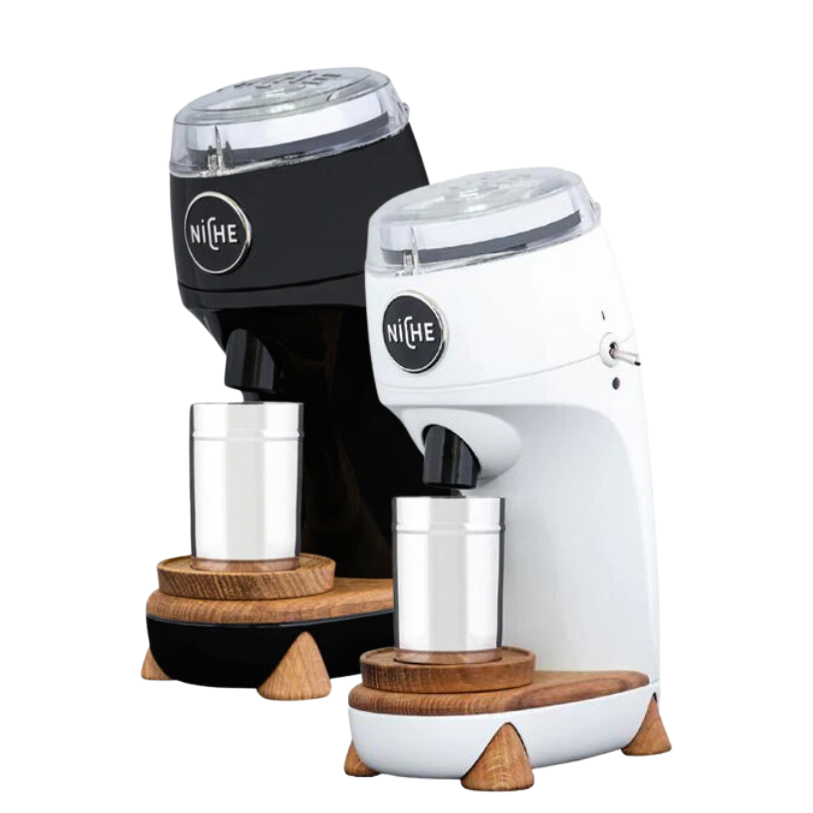
Why Choose a Manual Coffee Grinder? The Perks of Hand Grinding
Opting for a manual coffee grinder isn’t just about nostalgia; it’s about a mindful approach to brewing that brings tangible benefits to your cup and your lifestyle.
Enhanced Flavor and Freshness
The moment coffee beans are ground, they begin to lose their aromatic compounds and flavor. Grinding right before you brew is non-negotiable for the best taste. Manual grinders allow you to do exactly that, ensuring maximum freshness. Unlike many electric grinders, manual models typically generate less heat during the grinding process. This is a huge plus because excessive heat can prematurely degrade the delicate oils and aromatics in your beans, dulling their vibrant flavor profile. With a hand grinder, you preserve those precious nuances, resulting in a cleaner, more vibrant cup every time.
Unmatched Precision and Control
One of the standout advantages of a manual coffee grinder is the granular control it offers over your grind size. Whether you’re aiming for a super-fine espresso grind or a coarse grind for a rich French press, you can dial in the settings with incredible accuracy. Many manual grinders feature precise click adjustments, sometimes even down to micron levels, allowing you to fine-tune your grind to perfectly match your brewing method. This level of precision is often found only in very expensive electric grinders.
Silent Operation for Peaceful Mornings
We’ve all been there: the jarring roar of an electric grinder shattering the calm of an early morning. Manual coffee grinders, on the other hand, operate with a gentle, satisfying whir. This quiet operation makes them ideal for shared living spaces, small apartments, or simply for those who appreciate a peaceful start to their day. You can prepare your coffee without disturbing housemates or pets, turning the grinding process into a meditative moment rather than a noisy chore.
The Perfect Travel Companion
Compact, lightweight, and completely self-sufficient, manual coffee grinders are the ultimate travel companions for any coffee lover. They don’t require electricity, making them perfect for camping trips, road adventures, office use, or international travel where power outlets and voltage might be an issue. Imagine enjoying a freshly brewed cup of your favorite coffee high in the mountains or by a serene lake – a manual grinder makes it possible.
Cost-Effective Quality
While high-end manual grinders can certainly be an investment, they generally offer superior grind quality and durability compared to electric grinders in the same price bracket. For coffee enthusiasts on a budget, an excellent manual burr grinder often provides the best value, delivering consistent results that can rival much more expensive electric models. It’s a smart way to upgrade your coffee without breaking the bank.
“A manual grinder gives you an intimate connection with your coffee,” says Lena Petrova, a seasoned barista and owner of ‘The Daily Grind’ cafe. “That quiet, rhythmic turning of the crank is part of the magic, and the flavor difference is undeniable.”
Decoding Manual Coffee Grinders: How They Work
At its core, a manual coffee grinder is a beautifully simple device designed to efficiently and consistently break down whole coffee beans into uniform particles.
Burr Grinders: The Heart of the Matter
The vast majority of quality manual grinders are burr grinders. Unlike blade grinders that chop beans irregularly (leading to an inconsistent brew), burr grinders crush them between two abrasive surfaces, or burrs. These burrs are typically conical, with one stationary and the other rotating as you turn the handle. The distance between these burrs dictates the fineness or coarseness of your grind.
Steel vs. Ceramic Burrs
When it comes to burr materials, you’ll generally find two main types:
- Steel Burrs: Often preferred in higher-end manual grinders, steel burrs are known for their sharpness and durability. They tend to grind faster and can produce a very consistent grind, especially for finer settings. Modern steel burrs are designed to cut rather than smash, leading to fewer “fines” (tiny dust-like particles) and a cleaner flavor.
- Ceramic Burrs: Commonly found in more budget-friendly manual grinders, ceramic burrs are very hard and durable, often retaining their sharpness for a long time. They are resistant to rust and don’t transfer heat as readily. However, they can be more brittle and might grind a bit slower than steel burrs. For consistent results, especially at coarser settings, high-quality steel burrs usually have an edge.
Choosing Your Perfect Grind Partner: What to Look For
With so many manual coffee grinders on the market, picking the right one can feel a bit overwhelming. Here’s what to consider to ensure you find your ideal grinding companion:
Grind Consistency and Adjustment Settings
This is arguably the most critical factor. A good manual grinder will produce grounds that are uniform in size, which is essential for even extraction and a balanced flavor. Look for grinders with a wide range of adjustment settings, ideally with clear, marked clicks. More clicks or smaller micron increments between settings give you greater control, especially if you plan to brew espresso.
Build Quality and Durability
A manual grinder is an investment, so you want one that’s built to last. Look for models made from sturdy materials like stainless steel, aluminum, or high-quality plastics. A solid construction minimizes burr wobble, which can severely impact grind consistency. A comfortable, ergonomic handle and a secure catch cup are also signs of a well-designed grinder.
Capacity and Portability
Consider how much coffee you typically brew at once. Most manual grinders hold between 20-40 grams of beans, which is sufficient for 1-2 cups. If you brew for more people or prefer to grind in larger batches, look for a higher capacity. For travel, prioritize smaller, lighter models with a folding handle.
Ease of Use and Cleaning
A good grinder should be a pleasure to use, not a chore. The handle should turn smoothly, and the grinding effort shouldn’t be excessive. Disassembly for cleaning should be straightforward, as regular cleaning is crucial for maintaining performance and flavor. Look for models that come with a cleaning brush.
|
Our Picks for the Best Coffee Grinder in 2026
As an Amazon Associate I earn from qualifying purchases.
|
||
| Num | Product | Action |
|---|---|---|
| 1 | Cuisinart Coffee Grinder, Electric One-Touch Automatic Burr Coffee Grinder with 18-Position Grind Selector, Cup Size Selector for 4 – 18 Cups, DBM-8P1, Black Stainless |

|
| 2 | Amazon Basics Electric Coffee Grinder, Coffee Bean and Spice Grinder, With Heavy-Duty Stainless Steel Grind Blades |
|
| 3 | Fellow Gen 2 Ode Brew Grinder - Burr, Electric Coffee Bean Grinder with 31 Settings for Drip, French Press & Cold Brew - Small Footprint - Matte Black |
|
| 4 | Hamilton Beach Fresh Grind Electric Coffee Grinder for Beans, Spices and More, Stainless Steel Blades, Removable Chamber, Makes up to 12 Cups, Black |
|
| 5 | Electric Coffee Grinder, Conical Burr Grinder with 17 Precise Settings, 10oz Capacity, Quiet Operation, Automatic Shut-Off for Espresso, French Press, Cold Brew & Drip Coffee |
|
| 6 | BLACK+DECKER One Touch Coffee Grinder, 2/3 Cup Coffee Bean Capacity, Spice Grinder, One Touch Push-Button Control -150 Watts -Stainless Steel Blades |
|
| 7 | OXO Brew Conical Burr Coffee Grinder - Silver, Stainless Steel Burrs, One-Touch Automatic Smart Grind |
|
| 8 | Amazon Basics Electric Coffee Grinder, Coffee Bean and Spice Grinder, With Heavy-Duty Stainless Steel Grind Blades |
|
| 9 | Touch&Match On-Demand Coffee Grinder, Professional Burr Grinder Made in Italy with Touch Screen, Precise Settings for Espresso, Moka, Filter & Americano, Fresh Grinding |
|
| 10 | BLACK+DECKER One Touch Coffee Grinder, 2/3 Cup Coffee Bean Capacity, Spice Grinder, One Touch Push-Button Control -150 Watts -Stainless Steel Blades |
|
Mastering the Grind: A Step-by-Step Guide
Using a manual coffee grinder is a simple process, but a few key steps will ensure you get the best results every time.
Step 1: Gather Your Tools and Beans
You’ll need your manual coffee grinder, fresh whole coffee beans, and a scale to measure your beans accurately. Starting with freshly roasted, quality beans is paramount for a delicious cup.
Step 2: Adjust Your Grind Size (Before You Grind!)
This is crucial. Always adjust your grinder’s settings before adding beans. Consult your grinder’s manual for specific instructions, but generally, you’ll turn an adjustment dial or knob: clockwise for finer grounds, counter-clockwise for coarser. Start with a recommended setting for your brewing method and don’t be afraid to experiment.
Step 3: Load the Beans
Measure out the exact amount of whole beans you need for your brew. Pour them into the grinder’s hopper. Avoid overfilling, as this can impede the grinding process.
Step 4: The Art of Grinding
Hold the grinder firmly with one hand, preferably on a stable surface, and turn the handle clockwise with the other. Aim for a steady, consistent rhythm rather than fast, jerky motions. This helps maintain grind consistency and prevents unnecessary heat buildup. Grinding takes a bit of effort, especially for finer settings, but with practice, it becomes a smooth, almost meditative process.
Step 5: Brew and Enjoy Immediately
Once your beans are ground, open the catch cup and transfer the fresh grounds to your brewing device. Brew your coffee without delay to capture all those wonderful aromas and flavors. Savor the difference that freshly ground coffee makes!
The Impact of Grind Size on Your Coffee’s Flavor
Matching your grind size to your brewing method is fundamental for optimal flavor extraction. The wrong grind can lead to coffee that’s either under-extracted (sour, weak) or over-extracted (bitter, harsh).
Fine Grind for Espresso
Espresso machines use high pressure and short brew times, requiring a very fine, almost flour-like grind. This fine consistency provides the necessary resistance to the water, allowing for a rich, concentrated shot with a beautiful crema.
Medium Grind for Pour-Over and Drip
For methods like pour-over, drip coffee, or AeroPress (with a short steep), a medium grind resembling table salt is ideal. This allows for a balanced extraction rate, yielding a clean, flavorful cup without excessive bitterness or weakness.
Coarse Grind for French Press and Cold Brew
French press and cold brew methods involve longer immersion times, so a coarse, chunky grind (like sea salt) is necessary. This prevents over-extraction, which would result in a muddy, bitter brew, and minimizes sediment in your cup.
Popular Manual Coffee Grinder Brands and What They Offer
While we encourage you to explore and find what resonates with you, certain brands have earned a reputation for excellence in the manual grinder world:
- 1Zpresso: Known for precision, high-quality steel burrs, and a wide range of adjustment settings, making them favorites for both espresso and pour-over enthusiasts. Models like the J-Ultra or K-Ultra are often praised.
- Comandante: A premium German brand renowned for its exceptional build quality, “Nitro Blade” burrs, and incredibly consistent grind, often considered a benchmark for manual grinders.
- Timemore: Offers excellent value with well-designed, budget-friendly options like the C2 or C3, which provide impressive consistency for their price point, especially for filter coffee.
- Porlex: A popular Japanese brand, especially for travel, with durable stainless steel bodies and ceramic burrs, making them compact and reliable.
Expert Insights: Getting the Most from Your Manual Grinder
“Don’t rush the process,” advises Liam O’Connell, a coffee aficionado and former competitor barista. “A consistent grind is more important than a fast one. Find your rhythm, and let the grinder do its work. Also, remember to clean your burrs regularly – trapped oils can make even the best beans taste off!”
Liam also suggests experimenting with different grind settings even within the same brewing method. “Sometimes, just a single click can transform your coffee’s flavor profile. It’s all about finding that sweet spot that suits your beans and your palate.”
Frequently Asked Questions
Q: Are manual coffee grinders better than electric ones?
A: For many, yes. Manual grinders often provide superior grind consistency and less heat generation compared to many electric models, particularly in similar price ranges. They also offer portability and quiet operation. Electric grinders, however, offer speed and convenience, especially for larger quantities.
Q: How long does it take to grind coffee manually?
A: It typically takes anywhere from 30 seconds to 2 minutes to grind enough beans for a single cup, depending on the grinder, the desired fineness, and your physical effort. Finer grinds (like for espresso) generally take longer.
Q: How often should I clean my manual coffee grinder?
A: It’s recommended to clean your manual coffee grinder every 1-2 weeks, or more frequently if you use oily beans or grind large quantities. Regular cleaning prevents old coffee oils from becoming rancid and affecting the taste of your fresh brew.
Q: Can manual grinders grind fine enough for espresso?
A: Absolutely! Many high-quality manual grinders, especially those designed with finer adjustment mechanisms and sharp steel burrs, are capable of producing excellent espresso-grade grinds. Brands like 1Zpresso and Kinu are highly regarded for their espresso performance.
Q: What’s the difference between ceramic and steel burrs?
A: Steel burrs are generally sharper, grind faster, and often yield more consistent results, especially across various grind sizes. Ceramic burrs are very durable, heat-resistant, and don’t rust, but can be slower and sometimes more brittle. Both can be excellent depending on the quality and design.
Conclusion: Embrace the Ritual
Choosing a manual coffee grinder is more than just buying a tool; it’s an embrace of a deliberate ritual, a step towards a more mindful connection with your daily cup. It offers unparalleled control over your grind, preserves the nuanced flavors of your beans, and provides a peaceful start to your day, all while being a reliable companion wherever your adventures take you. So, why not slow down, crank that handle, and discover the truly exceptional coffee a manual coffee grinder can help you create? Your taste buds will thank you.