In the bustling world of specialty coffee, an Industrial Coffee Grinder isn’t just another piece of equipment; it’s the very heartbeat of your operation. From the vibrant aroma of freshly ground beans filling your space to the consistent, exquisite flavor in every cup, the quality of your grind dictates everything. For coffee roasters, high-volume cafes, and restaurants, investing in the right industrial coffee grinder is paramount to ensuring both efficiency and an unparalleled coffee experience for your customers. It’s about precision, durability, and a dedication to quality that shines through in every single bean.
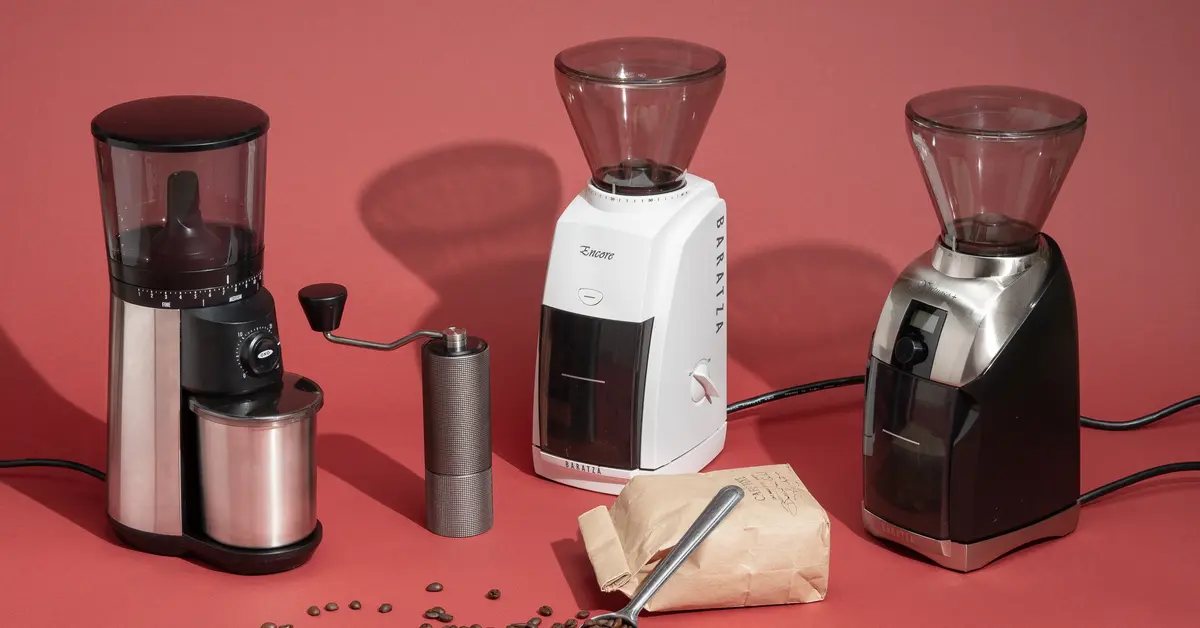
Why Your Business Needs a High-Performance Industrial Coffee Grinder
Think about it: every perfect shot of espresso, every balanced pour-over, every rich cold brew begins with the grind. A high-performance industrial coffee grinder ensures consistent particle size, which is critical for optimal extraction. Without this consistency, you risk uneven extraction, leading to bitter or weak coffee, wasted beans, and ultimately, a less-than-stellar reputation. These machines are engineered to handle significant volume, preventing bottlenecks during peak hours and maintaining workflow efficiency. They are workhorses designed for continuous use, a crucial factor for businesses that process dozens, hundreds, or even thousands of pounds of coffee weekly.
Understanding the Different Types of Industrial Coffee Grinders
The landscape of industrial coffee grinders offers a variety of specialized machines, each designed to meet specific operational needs and deliver particular grind characteristics. Choosing the right type is the first step toward optimizing your coffee program.
The Burr Grinder Advantage: Flat vs. Conical
At the core of nearly every high-quality industrial grinder is the burr system, responsible for crushing beans into uniform particles rather than chopping them haphazardly like blade grinders. Burr grinders come in two primary configurations:
- Flat Burr Grinders: Precision for Espresso
Flat burr grinders feature two parallel, flat abrasive surfaces that grind coffee beans. These are often considered the top-tier choice for commercial settings due to their ability to produce an exceptionally uniform particle distribution. This consistency is vital for even extraction, especially for espresso, leading to a balanced and sweet flavor profile. While they can generate more heat, top-tier models incorporate cooling mechanisms to mitigate this. - Conical Burr Grinders: Versatility and Cooler Operation
Conical burr grinders utilize two cone-shaped burrs that crush beans between them. They are known for producing less heat during grinding, which helps preserve delicate coffee oils and aromas. Conical burrs offer a slightly wider particle range compared to flat burrs but are highly versatile, performing well across various grind sizes, from espresso to filter coffee, making them a popular choice for versatility and aroma retention.
Workflow Wonders: Doser, Doserless, and On-Demand Systems
Beyond burr shape, the dispensing mechanism significantly impacts workflow and freshness:
- Doser Grinders: Speed for High-Volume Operations
Doser grinders collect ground coffee in a chamber, typically divided into precise compartments (e.g., 6-7g). A lever dispenses a pre-measured dose. This design was initially perfected for fast-paced Italian espresso bars, prioritizing speed and repeatable dosing during intense rushes. They are ideal for operations with multiple baristas working simultaneously and consistent drink volumes. - Doserless Grinders: Embracing Freshness and Control
Doserless grinders activate on-demand, grinding coffee directly into the portafilter or brew basket at the moment of preparation. This ensures maximum freshness, preserving the intricate aromatics and flavor complexity essential for specialty coffee. They result in lower retention of old grounds and offer baristas greater control to fine-tune each shot. - On-Demand Espresso Grinders: The Best of Both Worlds
These grinders combine speed, precision, and programmability. They offer programmable dosing for single and double shots, micrometric grind adjustment, and often feature anti-static chutes and burr-cooling fans. They provide a fast, consistent workflow with minimal waste, making them a staple in third-wave cafes and restaurants with robust espresso programs.
Specialized Grinders for Every Need
The industrial coffee grinder family also includes specialized units:
- Bulk Grinders: For Retail and Large Batch Brews
Designed for grinding 1-5 lbs or more at a time, bulk grinders feature oversized hoppers and robust cooling systems for continuous, high-volume operation. They produce coarse-to-medium grinds suitable for drip coffee, cold brew, or retail packaging. Their industrial-grade burrs are built to last through thousands of pounds of coffee. - Grind-by-Weight & Smart Grinders: The Future of Precision
These advanced grinders integrate built-in scales, sensors, and smart dosing systems to deliver unparalleled precision by weight. Features like gravimetric dosing, auto-purge cycles, and IoT connectivity ensure ±0.1g dosing accuracy, minimal waste, and reliable consistency, making them perfect for chain cafes and precision-driven programs. - Specialty & Dual-Purpose Grinders: Space-Saving Solutions
For businesses needing flexibility, specialty and dual-purpose grinders can switch easily between fine and coarse settings, often with dual hopper or burr configurations. They save valuable counter space and reduce equipment redundancy by handling both espresso and filter coffee needs.
Our Picks for the Best Coffee Grinder in 2026As an Amazon Associate I earn from qualifying purchases.Num Product Action 1 Touch&Match On-Demand Coffee Grinder, Professional Burr Grinder Made in Italy with Touch Screen, Precise Settings for Espresso, Moka, Filter & Americano, Fresh Grinding 
2 Amazon Basics Electric Coffee Grinder, Coffee Bean and Spice Grinder, With Heavy-Duty Stainless Steel Grind Blades
3 OXO Brew Conical Burr Coffee Grinder - Silver, Stainless Steel Burrs, One-Touch Automatic Smart Grind
4 Cuisinart Coffee Grinder, Electric One-Touch Automatic Burr Coffee Grinder with 18-Position Grind Selector, Cup Size Selector for 4 – 18 Cups, DBM-8P1, Black Stainless
5 BLACK+DECKER One Touch Coffee Grinder, 2/3 Cup Coffee Bean Capacity, Spice Grinder, One Touch Push-Button Control -150 Watts -Stainless Steel Blades
6 Amazon Basics Electric Coffee Grinder, Coffee Bean and Spice Grinder, With Heavy-Duty Stainless Steel Grind Blades
7 Electric Coffee Grinder, Conical Burr Grinder with 17 Precise Settings, 10oz Capacity, Quiet Operation, Automatic Shut-Off for Espresso, French Press, Cold Brew & Drip Coffee
8 Fellow Gen 2 Ode Brew Grinder - Burr, Electric Coffee Bean Grinder with 31 Settings for Drip, French Press & Cold Brew - Small Footprint - Matte Black
9 BLACK+DECKER One Touch Coffee Grinder, 2/3 Cup Coffee Bean Capacity, Spice Grinder, One Touch Push-Button Control -150 Watts -Stainless Steel Blades
10 Hamilton Beach Fresh Grind Electric Coffee Grinder for Beans, Spices and More, Stainless Steel Blades, Removable Chamber, Makes up to 12 Cups, Black
Key Factors to Consider When Choosing Your Industrial Coffee Grinder
Selecting the right industrial coffee grinder is a strategic decision that impacts your product quality, operational efficiency, and bottom line. Here’s what to consider:
Capacity: Matching Volume to Performance
Capacity isn’t just about how many beans fit in the hopper; it’s about the grinder’s throughput rate and its ability to maintain grind quality under continuous demand.
- Hopper Capacity vs. Throughput Rate
Understand both: the hopper’s holding capacity and how quickly the grinder can process beans (e.g., lbs/minute). A grinder that’s too small will create workflow bottlenecks, while one that’s too large might hold beans for too long, compromising freshness. - Heat Management is Crucial
Friction from grinding generates heat, which can prematurely release coffee oils, leading to burnt or bitter flavors. Look for grinders with low-RPM motors, thermal overload protection, fan-cooled housings, or dual ventilation designs to manage heat effectively. “Every 10°F increase in burr temperature can alter grind size and extraction balance,” notes coffee expert Eleanor Vance, a Master Roaster at “Góc Xay Cafe”.
Burr Material and Size: The Heart of the Grind
The burrs are the most critical components, determining grind precision, consistency, and the grinder’s lifespan.
- Steel Burrs: The Industry Workhorse
Hardened or stainless-steel burrs are common due to their strength and versatility, offering excellent sharpness retention for precise cuts. They are fast, efficient, and well-suited for high-volume environments and oily, dark-roast beans. - Ceramic Burrs: For Delicate Flavors and Lower Volume
Ceramic burrs excel in environments where flavor nuance is paramount. They transfer minimal heat, preserving delicate aromatics, and provide exceptionally consistent particle size. While more brittle, they are ideal for light-roast programs and specialty cafes with lower to medium volumes. - Coated Steel Burrs: Unmatched Longevity
Premium grinders feature steel burrs coated with titanium nitride (TiN) or diamond-like carbon (DLC). These coatings offer 2-3 times the lifespan of standard steel burrs, reducing friction, heat, and grind retention, making them a smart long-term investment for heavy-duty operations.
Grind Consistency and Adjustment: The Flavor Architect
The ability to achieve and maintain consistent grind size is non-negotiable for quality coffee.
- Achieving the Perfect Grind Size
Different brewing methods demand specific grind sizes. For instance, Turkish coffee requires an extra-fine grind (<0.1 mm), espresso needs a fine grind (0.1-0.2 mm), pour-over coffee benefits from medium-fine (0.2-0.4 mm) to medium (0.4-0.6 mm) grinds, while French press thrives on a coarse grind (0.8-1 mm). The grinder should offer a broad range of settings to cater to diverse brewing needs. - Micrometric vs. Stepped Adjustments
Micrometric (stepless) adjustment systems offer continuous control over grind size, allowing for minute adjustments to dial in the perfect shot. Stepped adjustments, while easier to replicate, provide less granular control. High-end industrial grinders often feature micrometric adjustments for ultimate precision.
Durability and Build Quality: An Investment for the Long Haul
An industrial coffee grinder is a significant investment. Look for machines made from high-quality materials that can withstand the rigors of heavy commercial use. Evaluate the motor, burr construction, and overall build. Durability ensures reliability, minimizes downtime, and protects your investment over years of service.
Ease of Maintenance and Cleaning: Keeping Your Grinder Pristine
Regular maintenance and cleaning are non-negotiable for optimal performance and longevity. Choose a grinder with a design that facilitates easy cleaning, featuring easily removable parts. Simple, straightforward cleaning routines, ideally taking no more than 10 minutes daily, are crucial for operational efficiency. Grinders that are easy to calibrate after cleaning save time and reduce the potential for errors.
Maximizing Your Industrial Coffee Grinder’s Lifespan and Performance
To ensure your industrial coffee grinder consistently delivers exceptional results and stands the test of time, adopt these best practices:
Regular Cleaning Rituals
Daily vacuuming of grounds prevents residue buildup, which can affect grind quality and flavor. Weekly deep cleaning with grinder cleaning pellets (like Grindz) helps remove stubborn coffee oils from the burrs. This proactive approach prevents overheating and extends the life of your machine.
Proactive Burr Replacement
Burrs wear down over time, impacting grind consistency. Most manufacturers provide burr lifespan ratings (e.g., steel burrs: 600-1,200 lbs, ceramic: 400-800 lbs, coated steel: 1,500-2,000+ lbs). Track your grinder’s total volume and replace burrs proactively at 80-90% of their rated lifespan, rather than waiting for flavor degradation or performance issues to emerge. Always recalibrate the grind setting after burr replacement.
The ROI of a Premium Industrial Coffee Grinder
While the upfront cost of a high-quality industrial coffee grinder might seem substantial, it’s a critical investment that yields significant returns. A superior grinder reduces coffee waste by ensuring consistent dosing and extraction, saving hundreds or thousands of dollars annually. Faster grinding speeds and accurate dosing improve peak-hour throughput, directly impacting revenue potential. Moreover, easy cleaning and maintenance minimize downtime, keeping your operations running smoothly. As Eleanor Vance, Master Roaster, wisely states, “In any café, a $2,000 grinder can outperform a $10,000 espresso machine if it maintains burr sharpness and temperature control. Always invest in the grinder first.”
Frequently Asked Questions About Industrial Coffee Grinders
Thinking about making the leap to a new industrial coffee grinder? Here are some common questions answered:
- Q: What’s the main difference between a commercial and industrial coffee grinder?
A: While often used interchangeably, “industrial” generally implies larger capacity and higher durability designed for continuous, very high-volume production like in large roasteries or factories, whereas “commercial” typically refers to equipment for cafes, restaurants, or smaller-scale businesses. However, many features and considerations overlap. - Q: How often should I clean my industrial coffee grinder?
A: For optimal performance and flavor, a quick cleaning (vacuuming out grounds) should be done daily. A deeper clean using grinder cleaning pellets or disassembling burrs for brushing is recommended weekly. - Q: Can one industrial grinder handle all my grinding needs?
A: While some dual-purpose grinders offer versatility, many businesses, especially those with high volume or diverse menus (e.g., espresso and filter coffee, regular and decaf), benefit from having multiple dedicated grinders to optimize workflow and maintain specific grind quality for each brewing method. - Q: What grind settings are best for different coffee types?
A: Grind size is crucial and depends on the brewing method. For espresso, use a very fine grind. Drip coffee generally requires a medium grind. French press needs a coarse grind. Cold brew works best with an extra-coarse grind. Experimentation is key to finding the perfect setting for your specific beans and equipment. - Q: How does heat affect coffee during grinding?
A: Heat generated during grinding can prematurely degrade the delicate oils and aromatics in coffee beans, leading to a dull, burnt, or bitter flavor profile. Industrial grinders designed for high volume often incorporate features like low-RPM motors, burr cooling, and hardened burrs to minimize heat transfer.
Conclusion: Your Partner in Coffee Excellence
An industrial coffee grinder is more than just a machine; it’s a strategic partner in your pursuit of coffee excellence. By carefully considering capacity, burr type and material, grind consistency, durability, and maintenance, you can select a grinder that not only meets your operational demands but also elevates the flavor and experience of every cup you serve. Equip your baristas with precision and performance, and watch as your “Góc Xay Cafe” becomes a renowned destination for passionate coffee lovers, recognized for its unwavering commitment to quality.