There’s a secret ingredient to truly exceptional coffee that often goes overlooked: the grind. We’ve all been there, grabbing a bag of pre-ground beans for convenience. But if you’re serious about unlocking the full, aromatic potential of your coffee, an Electric Coffee Grinder isn’t just a kitchen appliance; it’s a gateway to a richer, more flavorful experience. Imagine waking up to the rich scent of freshly ground beans, knowing that every cup you brew will be bursting with unparalleled taste. That’s the promise an electric coffee grinder delivers, transforming your morning ritual from mundane to magnificent.
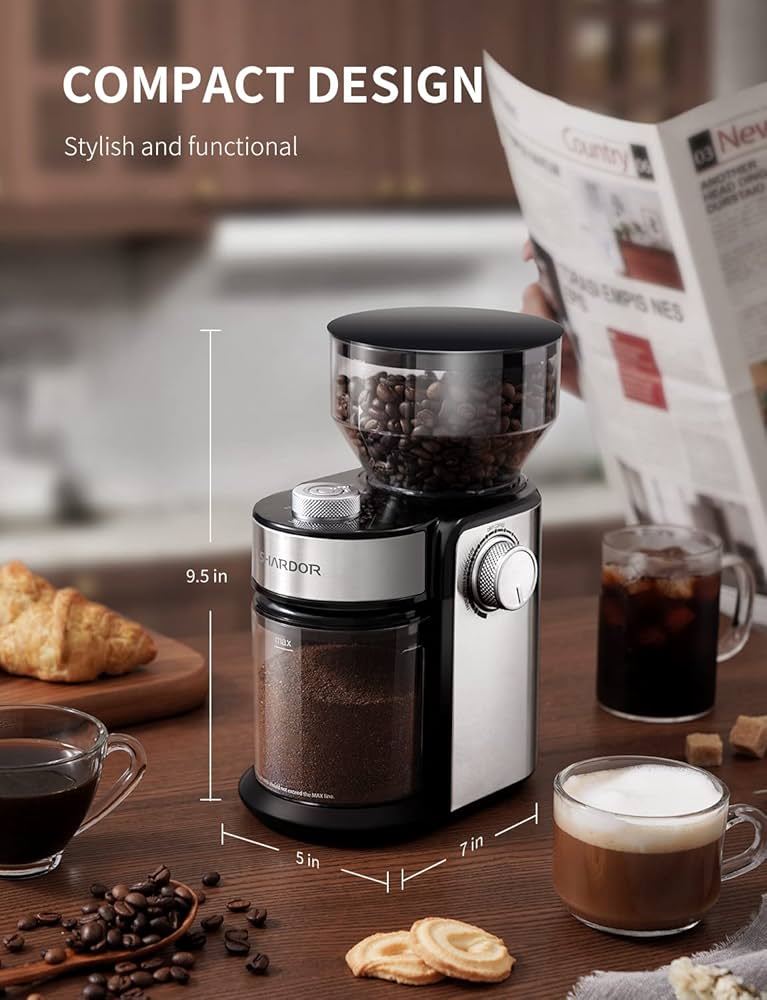
Why an Electric Coffee Grinder is a Game Changer for Your Morning Cup
The difference between good coffee and truly great coffee often comes down to the freshness and consistency of your grind. An electric coffee grinder brings a level of precision and ease that pre-ground coffee simply cannot match.
Unlocking Peak Freshness and Flavor
Coffee beans are packed with volatile aromatic compounds that begin to degrade the moment they are ground and exposed to oxygen. Think of it like a freshly cut apple; it starts to brown almost immediately. Grinding your beans just before brewing means you’re capturing these delicate flavors at their peak. This rapid oxidation is why pre-ground coffee quickly loses its vibrancy, leaving you with a duller, less nuanced cup. With an electric coffee grinder, every brew starts with maximum aroma and a full-bodied flavor profile that simply can’t be replicated.
The Power of Consistent Grind
Consistency is key in coffee extraction. Different brewing methods require specific grind sizes – a coarse grind for French press, a medium grind for drip coffee, and a very fine grind for espresso. An uneven grind, often produced by lesser quality grinders, means some particles will be over-extracted (leading to bitterness) while others are under-extracted (resulting in sourness). A high-quality electric coffee grinder ensures a uniform particle size, allowing water to extract flavors evenly. This consistency is crucial for brewing a balanced, delicious cup every single time, making your electric coffee grinder an indispensable tool.
Unbeatable Convenience and Speed
Let’s face it, mornings can be hectic. While manual grinders offer a certain charm, they demand time and effort. An electric coffee grinder, on the other hand, makes short work of your beans. With just the press of a button, you can have perfectly ground coffee in seconds, freeing you up to tackle other tasks or simply enjoy a few extra moments of peace. This speed and effortless operation make electric grinders ideal for daily use, especially if you’re brewing for multiple people or preparing larger quantities of coffee.
Versatility for Every Brewing Method
One of the greatest advantages of an electric coffee grinder is its adaptability. Most quality models come with a wide range of adjustable grind settings, allowing you to tailor your coffee for virtually any brewing method. Whether you’re a fan of the bold intensity of espresso, the clean crispness of a pour-over, or the full immersion of a French press, your electric coffee grinder can deliver the precise grind size needed to optimize extraction and flavor for each one.
Unpacking the Types: Blade vs. Burr Grinders
When diving into the world of electric coffee grinders, you’ll primarily encounter two main categories: blade grinders and burr grinders. Understanding their fundamental differences is crucial for making an informed choice.
Blade Grinders: The Chopping Method
Blade grinders operate much like a miniature food processor. A rapidly spinning metal blade chops at the coffee beans, dicing them into smaller and smaller pieces.
- Pros: They are generally the most affordable and compact option, making them an accessible entry point for beginners or those with limited counter space. Their operation is straightforward, usually just a single button to pulse the blades.
- Cons: The primary drawback of blade grinders is their inability to produce a consistent grind. The chopping action results in an uneven mix of fine powder and larger chunks, leading to inconsistent extraction and a less flavorful, often bitter cup. The high-speed blades also generate heat, which can “cook” the coffee beans, damaging their delicate oils and flavor. Over time, the blades can also dull, further impacting performance.
- Best For: While not ideal for serious coffee enthusiasts, blade grinders might suit casual drinkers who prioritize budget and convenience over grind consistency and flavor nuances. Some people also use them for spices, though it’s best to have a separate one for coffee.
Burr Grinders: The Crushing Precision
Burr grinders are the gold standard for coffee enthusiasts. Instead of chopping, they crush coffee beans between two abrasive surfaces called burrs. This method allows for a much more uniform grind size, which is paramount for optimal flavor extraction.
- Pros: Burr grinders offer superior grind consistency, preserving the coffee’s delicate flavors by generating less heat. They are significantly more durable and built to last, making them a worthwhile investment. Most models also provide precise control over grind size.
- Cons: Generally, burr grinders are more expensive than blade grinders. They can also be larger and may require a bit more effort for thorough cleaning due to the intricate burr mechanism.
Within the burr grinder family, you’ll typically find two distinct types:
Conical Burr Grinders
These grinders feature two cone-shaped burrs – an inner cone and an outer ring – that crush beans as they pass through.
- How They Work: Beans are fed between the burrs, and as they travel downwards, the gap narrows, progressively grinding the beans. Conical burr grinders often operate at a slower RPM (rotations per minute).
- Pros: They are generally quieter than flat burr grinders and tend to be more energy-efficient. Their design often leads to less static and mess, and they typically generate less heat, which helps preserve the coffee’s aroma and flavor. Many entry-level and mid-range electric coffee grinder models use conical burrs.
- Cons: While excellent, conical burrs can sometimes produce a “bimodal distribution” of particles, meaning a mix of very fine and slightly larger grounds, though still far more consistent than blade grinders.
Flat Burr Grinders
Flat burr grinders utilize two parallel, donut-shaped burrs that face each other.
- How They Work: Beans are fed into the center of the burrs and are ground as they move outwards.
- Pros: Flat burrs are renowned for producing a highly uniform particle distribution, which is particularly prized by espresso aficionados. This consistent grind size can lead to incredible flavor clarity and a cleaner taste in the cup.
- Cons: They are typically louder than conical burr grinders and can be slightly messier due to static electricity. High-quality flat burr grinders are often found in professional settings and come with a higher price tag.
Burr Material: Steel vs. Ceramic
The material of your burrs also plays a role. Steel burrs are common and often lauded for their sharpness and durability, providing a clean cut of the bean. Ceramic burrs are known for their exceptional longevity and tend to run quieter, though they can be more brittle and might chip if impacted by foreign objects. Both materials, when crafted with quality, can deliver excellent results.
Choosing Your Perfect Electric Coffee Grinder: What to Look For
Selecting the right electric coffee grinder involves considering several factors to ensure it meets your specific brewing needs and lifestyle.
Grind Settings and Consistency
This is arguably the most critical feature. Look for an electric coffee grinder that offers a wide range of grind settings, allowing you to fine-tune the grind for various brewing methods.
- Espresso: Requires an extremely fine, almost powdery grind.
- Pour-Over & AeroPress: Typically benefit from a medium-fine grind.
- Drip Coffee: Works best with a medium grind.
- French Press & Cold Brew: Demand a coarse, chunky grind.
Some grinders offer “stepped” adjustments (preset clicks), while others have “stepless” adjustments (infinite micro-adjustments), with stepless being preferred for espresso precision.
Burr Quality and Material
As discussed, burr grinders are superior. Consider if conical or flat burrs align with your priorities for noise, consistency, and brewing methods (especially if espresso is a focus). Steel burrs are common for their sharpness and durability, while ceramic burrs offer long lifespan and quieter operation.
Motor and Heat Management
A powerful motor that operates at a slower RPM is generally desirable. Slower speeds mean less heat generation, which helps preserve the coffee’s delicate flavors and aromas. Overheating can lead to a “burnt” taste, even with fresh beans.
Capacity
Consider the size of the bean hopper and the grounds container. If you brew frequently for multiple people, a larger capacity will be more convenient. However, it’s generally recommended not to store beans in the hopper for extended periods, as this exposes them to air and light, speeding up staling.
Ease of Use and Cleaning
A user-friendly interface with clear controls makes daily operation a breeze. For maintenance, look for an electric coffee grinder with easily removable burrs and accessible components for cleaning. Regular cleaning is vital to prevent oily residue buildup that can affect flavor.
Noise Level
Electric coffee grinders, especially burr models, can be somewhat noisy. If early morning grinding is a concern in your household, research models known for quieter operation. Conical burr grinders tend to be less noisy than flat burr counterparts.
Durability and Build Material
Invest in an electric coffee grinder made with quality materials like stainless steel, robust plastics (ABS), or even aluminum. A well-built grinder is a long-term investment in your coffee quality. Check reviews for reports on longevity and customer support.
Budget
Electric coffee grinders range widely in price. While blade grinders are inexpensive, a quality burr grinder will require a more significant investment. However, consider it an investment in superior coffee quality that will pay off with every delicious cup. Often, spending a bit more upfront saves you from replacing cheaper, less effective models down the line.
Mastering Your Electric Coffee Grinder: Tips for Optimal Use and Care
Once you’ve chosen your electric coffee grinder, knowing how to use and maintain it properly will ensure years of delicious coffee.
Grind Fresh, Brew Immediately
The golden rule of coffee: always grind your beans just before brewing. The aroma and flavor begin to diminish rapidly after grinding. Only grind what you need for that specific brew.
Match Grind Size to Your Brewing Method
Experiment with your grinder’s settings to find the sweet spot for each brewing device you use. A slight adjustment can dramatically impact the taste. If your coffee tastes weak or sour, try a finer grind. If it’s bitter or over-extracted, go coarser.
Regular Cleaning is Non-Negotiable
Coffee beans contain oils that can build up on the burrs and internal components, eventually becoming rancid and affecting the flavor of your coffee.
- Daily: A quick brush down of the burrs and grounds chute after each use can remove loose grounds.
- Weekly/Bi-weekly: For more thorough cleaning, many electric coffee grinders have removable burrs that can be taken out and cleaned with a brush and a damp cloth (ensure they are completely dry before reassembling). Some grinders can even be cleaned with specialized grinder cleaning tablets.
- Never use water or harsh detergents on the burrs themselves, unless specifically instructed by the manufacturer, as this can cause damage or rust.
Store Beans Correctly
While it’s convenient, avoid storing a large quantity of beans in your grinder’s hopper for extended periods. Exposure to light, air, and moisture can cause them to stale faster. Store your whole beans in an airtight, opaque container in a cool, dark place.
Avoid Overfilling
Don’t overfill the bean hopper beyond the manufacturer’s recommendations. This can strain the motor and potentially affect grind consistency.
Expert Insight: The Grind’s Impact on Flavor
“Many people underestimate how profoundly the grind influences the final taste in your cup,” explains barista and coffee consultant, Anya Petrova. “Even the best beans can be ruined by an inconsistent or incorrect grind. A consistent grind is like having all your musicians playing in perfect harmony – every flavor note can shine through, leading to a balanced and truly memorable coffee experience. Your electric coffee grinder is the conductor of that harmony.”
Popular Electric Coffee Grinder Models
While we don’t endorse specific models directly, renowned brands like Baratza, Fellow, and Breville consistently receive high praise in the coffee community for their reliable and high-performance electric coffee grinders. These brands offer a range of options suitable for various budgets and brewing preferences, often featuring durable burrs, precise grind settings, and user-friendly designs that cater to both beginners and seasoned coffee aficionados alike. When exploring models, look for reviews that emphasize consistency, durability, and ease of cleaning to ensure you’re making a sound investment.
Frequently Asked Questions (FAQ)
What’s the best type of electric coffee grinder for home use?
For most home users seeking quality and consistency, an electric burr grinder is highly recommended. Conical burr grinders offer a good balance of performance, noise level, and price, while flat burr grinders excel for espresso precision.
How often should I clean my electric coffee grinder?
For daily users, a quick brush after each use is beneficial. A more thorough cleaning of the burrs should be done every one to two weeks, or after grinding about one pound of coffee, to prevent oil buildup and maintain optimal flavor.
Can I use an electric blade grinder for espresso?
It is strongly advised against using an electric blade grinder for espresso. Espresso requires a very fine and extremely consistent grind, which blade grinders cannot achieve. An inconsistent grind will result in poor extraction and a disappointing shot.
Does an expensive electric coffee grinder really make a difference?
Yes, generally. More expensive electric coffee grinders typically feature higher-quality burrs (often steel or ceramic), more precise grind adjustment mechanisms, more robust motors, and better build materials, all of which contribute to superior grind consistency and flavor.
How important is grind consistency?
Grind consistency is paramount for optimal coffee extraction. An even grind allows water to extract soluble compounds from all coffee particles at the same rate, resulting in a balanced, flavorful cup. Inconsistent grinds lead to uneven extraction, causing bitterness, sourness, or weak coffee.
Should I store coffee beans in the grinder’s hopper?
It’s best to avoid storing coffee beans in the grinder’s hopper for extended periods. Exposure to air, light, and humidity can accelerate the staling process, diminishing the beans’ freshness and flavor. Store whole beans in an airtight, opaque container away from heat and light.
What grind size do I need for a French press?
For a French press, you’ll need a very coarse, chunky grind. This prevents small particles from passing through the filter and creating a muddy, over-extracted cup, while allowing for the necessary long immersion time.
Ready to Transform Your Coffee Experience?
Stepping into the world of fresh, home-ground coffee with an electric coffee grinder is more than just an upgrade; it’s a revelation. The difference in aroma, flavor, and overall enjoyment is immediate and profound. By understanding the types of grinders, what to look for, and how to care for your machine, you’re well-equipped to make an informed decision and become your own favorite barista. So go ahead, grind fresh, experiment with different settings, and savor every exquisite sip. Your perfect cup is just a grind away!