For any coffee enthusiast, the journey to a perfect cup often begins long before the first sip – it starts with the grind. While many focus on the beans or the brewing method, savvy coffee lovers know that a high-quality grinder is the true unsung hero. It’s not just about pulverizing beans; it’s about unlocking their full flavor potential, ensuring consistency, and elevating your daily ritual. Choosing the Best Coffee Grinder for your needs can seem daunting with so many options available, but understanding the key differences will help you make an informed decision that transforms your coffee experience.
Why Does Your Coffee Grinder Matter So Much?
Imagine trying to bake a cake with unevenly measured ingredients; the results would be unpredictable at best. The same principle applies to coffee. A consistent grind is crucial for even extraction, meaning hot water passes through all coffee particles at a similar rate, drawing out their delicious flavors without over-extracting bitterness or under-extracting sour notes. An inconsistent grind, on the other hand, leads to a muddled, less flavorful cup.
“The grinder is arguably the most critical piece of equipment after the coffee beans themselves,” says expert barista and coffee consultant, Emily Rhee. “It dictates the particle size, which in turn directly impacts the extraction and the final taste. Investing in the best coffee grinder you can afford is never a regret.”
Types of Coffee Grinders: A Deep Dive
When you’re searching for the best coffee grinder, you’ll primarily encounter two main categories: blade grinders and burr grinders. Understanding their fundamental differences is key to choosing wisely.
Blade Grinders: The Budget-Friendly Option
Blade grinders operate much like blenders, using a spinning blade to chop and shatter coffee beans.
- How they work: A central blade spins rapidly, hitting and breaking the beans into smaller pieces.
- Pros: Generally inexpensive, widely available, and compact.
- Cons: Produce an inconsistent grind with varying particle sizes, leading to uneven extraction and a less refined taste. They also generate heat, which can prematurely degrade the coffee’s delicate aromas.
- Best for: Occasional use, spices, or if your budget is extremely limited and you prioritize convenience over coffee quality. They are rarely considered the best coffee grinder for true enthusiasts.
Burr Grinders: The Connoisseur’s Choice
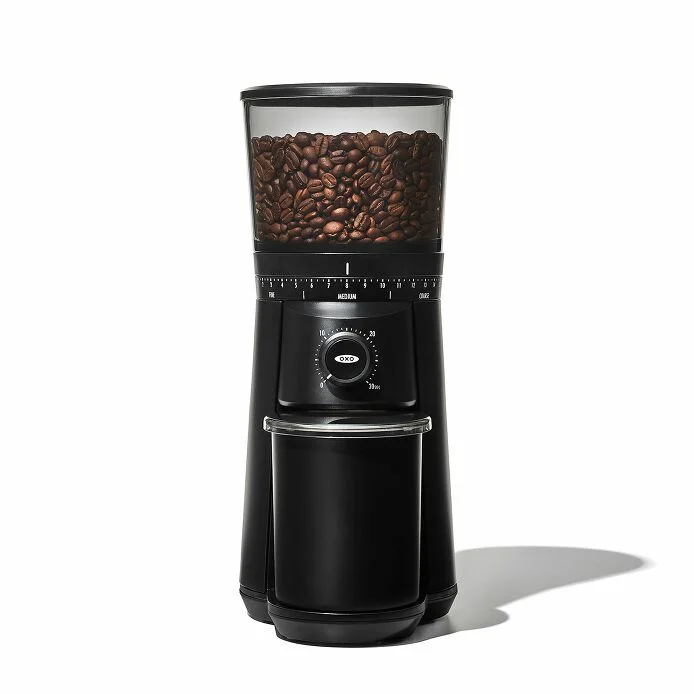
Burr grinders use two abrasive surfaces (burrs) that grind coffee beans between them to a precise and consistent particle size. This consistency is what makes them superior for quality coffee brewing.
- How they work: Beans are fed between two burrs – one stationary and one rotating – that crush and grind the coffee. The distance between the burrs determines the grind size.
- Types of Burr Grinders:
- Flat Burrs: Two parallel burrs, often found in high-end grinders, producing a very consistent grind.
- Conical Burrs: Cone-shaped burrs that are efficient, quiet, and produce a fluffy, uniform grind.
- Materials: Burrs are typically made from steel or ceramic. Steel burrs are sharp and durable, while ceramic burrs are known for their longevity and can be less prone to heat buildup.
- Pros: Offer superior grind consistency, a wide range of grind settings for different brewing methods, and preserve coffee flavor by generating less heat.
- Cons: Generally more expensive than blade grinders.
- Best for: Anyone serious about coffee quality, from pour-over aficionados to espresso fanatics. If you’re looking for the best coffee grinder that truly elevates your brew, a burr grinder is your answer.
Manual vs. Electric Burr Grinders
Within the burr grinder category, you’ll also decide between manual and electric options.
- Manual Burr Grinders:
- Pros: Portable, quiet, excellent for travel, often more affordable for high-quality burrs, and provide a satisfying tactile experience.
- Cons: Require physical effort and time, especially for larger quantities.
- Best for: Travel, single servings, or those who enjoy the hands-on ritual.
- Electric Burr Grinders:
- Pros: Convenient, fast, can grind larger quantities with ease, and often come with features like timers and dose settings.
- Cons: Can be noisy, require counter space, and are generally more expensive.
- Best for: Daily home use, families, or anyone prioritizing speed and convenience without compromising on grind quality.
How to Choose the Best Coffee Grinder for You
Navigating the options for the best coffee grinder can feel overwhelming, but focusing on a few key factors will simplify your decision.
1. Grind Settings and Consistency
This is paramount. A good burr grinder will offer a wide range of settings, from extra-fine for espresso to coarse for French press, and consistently deliver the chosen particle size. Look for grinders with precise, stepless adjustments or clear, labeled steps.
2. Burrs: Conical vs. Flat, Steel vs. Ceramic
- Conical burrs are often praised for their durability, quiet operation, and ability to handle a wide range of grind sizes efficiently. Many experts suggest they offer a nuanced, complex flavor profile.
- Flat burrs tend to produce a very uniform particle size, which some argue leads to a cleaner, brighter cup. They can be louder and generate more heat than conical burrs.
- Steel burrs are common and durable, offering sharp edges for a precise cut.
- Ceramic burrs are known for their extreme longevity and resistance to wear, though they can be more brittle if dropped.
3. Ease of Use and Cleaning
A grinder should integrate seamlessly into your routine.
- Hopper Capacity: Consider how much coffee you typically grind at once.
- Controls: Look for intuitive buttons, dials, or digital interfaces.
- Cleaning: Removable burrs and easy-access compartments make maintenance much simpler. Regular cleaning prevents oil buildup and ensures optimal performance.
4. Noise Level
Electric grinders can be noisy. If you live in a shared space or value quiet mornings, look for models specifically designed for lower noise operation. Manual grinders are inherently quiet.
5. Price Point
High-quality burr grinders are an investment. While you can find decent entry-level electric burr grinders, be prepared to spend more for advanced features, better burr quality, and robust build. Remember, the longevity and improved coffee quality often justify the initial cost.
6. Brewing Method
Your preferred brewing method significantly influences which grinder is the best coffee grinder for you.
- Espresso: Requires a very fine, consistent grind with micro-adjustments. Look for grinders specifically designed for espresso.
- Pour Over/Drip: Needs a medium-fine to medium grind. Most good burr grinders handle this well.
- French Press/Cold Brew: Requires a coarse, consistent grind to avoid sludge.
Expert Tips for Using and Maintaining Your Coffee Grinder
To ensure your best coffee grinder continues to perform optimally and deliver exceptional coffee, follow these tips:
- Grind Fresh: Always grind your beans just before brewing for the freshest flavor. Pre-ground coffee loses its aroma and taste rapidly.
- Clean Regularly: Coffee beans contain oils that can build up on the burrs, affecting grind quality and flavor. Use a brush or specialized grinder cleaning tablets weekly or bi-weekly.
- Don’t Overfill: Only put the amount of beans you need into the hopper. Storing beans in the hopper exposes them to air and light, speeding up staling.
- Experiment: Don’t be afraid to adjust your grind settings. Even a small tweak can dramatically change your coffee’s taste. Keep notes on what works for different beans and brewing methods.
- Read the Manual: Your grinder’s manual contains specific cleaning instructions and troubleshooting tips that can extend its lifespan.
The Impact of Grind Size on Your Coffee’s Flavor Profile
The fineness or coarseness of your coffee grind is not just a technical detail; it’s a primary lever in controlling the flavor you extract from your beans.
- Fine Grinds (e.g., Espresso, Turkish Coffee): These expose more surface area to water, leading to faster extraction. If too fine, they can lead to over-extraction, resulting in bitter, astringent flavors. Just right, they produce concentrated, rich shots.
- Medium Grinds (e.g., Drip Coffee, Pour Over): A balanced grind size that allows for moderate contact time with water, yielding a well-rounded and harmonious cup. Too fine, and your drip coffee can taste muddy; too coarse, and it’ll be weak.
- Coarse Grinds (e.g., French Press, Cold Brew): With less surface area, these require longer contact times for proper extraction. If too fine, a French press can be sludgy; if too coarse, your cold brew might lack depth.
Understanding this relationship empowers you to dial in your grind and truly master your brew, ensuring your best coffee grinder delivers peak performance every time.
Popular Coffee Grinder Brands and What They Offer
While “the best coffee grinder” is subjective, certain brands consistently earn high marks for quality, innovation, and durability.
- Baratza: Renowned for their high-performance conical burr grinders (like the Virtuoso and Encore), Baratza is a favorite among home baristas for their consistency, durability, and excellent customer service. They offer models suitable for all brewing methods, with a strong focus on espresso-capable grinders.
- Fellow: Known for their sleek, minimalist designs and exceptional grind quality, Fellow’s Ode Brew Grinder is a standout for pour-over, drip, and French press. While not optimized for espresso, its precision and stylish aesthetics make it a top choice for filter coffee lovers.
- Comandante: A German brand famous for its manual grinders (especially the C40 Mk4 Nitro Blade), Comandante sets the gold standard for portable, high-precision hand grinding. Ideal for travel or those seeking the ultimate manual grinding experience.
- Eureka: An Italian brand highly regarded for its electric burr grinders, particularly their Mignon series, which offers robust build quality, precise grind adjustments, and strong performance for espresso.
- Capresso: Offers a range of electric burr grinders at various price points, often praised for their user-friendliness and solid performance for everyday home brewing.
- Breville: While known for their espresso machines, Breville also produces integrated and standalone grinders (like the Smart Grinder Pro) that offer a good balance of features, performance, and value, especially for those in their coffee ecosystem.
Each brand caters to slightly different needs and budgets, but all strive to provide a superior grinding experience that contributes to a better cup of coffee.
Frequently Asked Questions About Coffee Grinders
What is the most important feature in a coffee grinder?
The most important feature in any coffee grinder is its ability to produce a consistent and uniform grind size. This is crucial for even extraction and a well-balanced, flavorful cup of coffee, making burr grinders superior to blade grinders.
How often should I clean my coffee grinder?
For optimal performance and taste, you should clean your coffee grinder thoroughly every one to two weeks, especially if you use it daily. Regular cleaning prevents the buildup of coffee oils and fine particles that can clog the burrs and impart stale flavors.
Can I use a coffee grinder for spices?
While blade grinders can technically grind spices, it’s generally not recommended to use your coffee grinder for anything other than coffee beans, especially a burr grinder. Spice residues can leave lingering odors and flavors that will transfer to your coffee. If you must, dedicate a separate, inexpensive blade grinder for spices.
Is an expensive coffee grinder worth it?
For true coffee enthusiasts, an expensive burr grinder is absolutely worth the investment. It provides superior grind consistency, a wider range of precise adjustments, and greater durability, all of which directly contribute to a significantly better-tasting cup of coffee compared to cheaper alternatives.
What’s the difference between steel and ceramic burrs?
Steel burrs are generally sharper and more precise, making them excellent for a clean cut of the beans. Ceramic burrs are known for their exceptional durability and longevity, often staying sharp for a very long time, though they can be more brittle than steel. Both can produce excellent results.
How fine should I grind coffee for pour over?
For pour-over brewing, you should aim for a medium-fine grind, similar in consistency to table salt. This allows for optimal water flow and extraction over the typical 2-4 minute brew time for pour-over methods.
Does grind speed matter?
Yes, grind speed can matter. Slower grinding speeds, often found in higher-end burr grinders, reduce heat generation and static, which helps preserve the coffee’s delicate aromas and ensures a more consistent grind by preventing clumping.
The Final Grind
Choosing the best coffee grinder isn’t just another purchase; it’s an investment in your daily happiness and the quality of your coffee ritual. From the consistent precision of a burr grinder to the tactile satisfaction of a manual model, the right grinder empowers you to unlock the full, nuanced potential of your favorite beans. Experiment with grind settings, savor the aroma of freshly ground coffee, and enjoy the profound difference it makes in every single cup. Go forth, explore the world of grinders, and elevate your coffee experience from good to absolutely extraordinary!